




1756-EN2T vs EN2TR: Selecting the Right Network Module for DLR Applications
Industrial networking components represent a significant investment for any facility. The choice between single-port and dual-port Ethernet modules impacts both budget and performance. This analysis examines two prominent ControlLogix communication modules. The goal is to determine which option delivers better long-term value. We will explore their behavior within Device Level Ring configurations specifically.
Core Hardware Distinctions Between These ControlLogix Modules
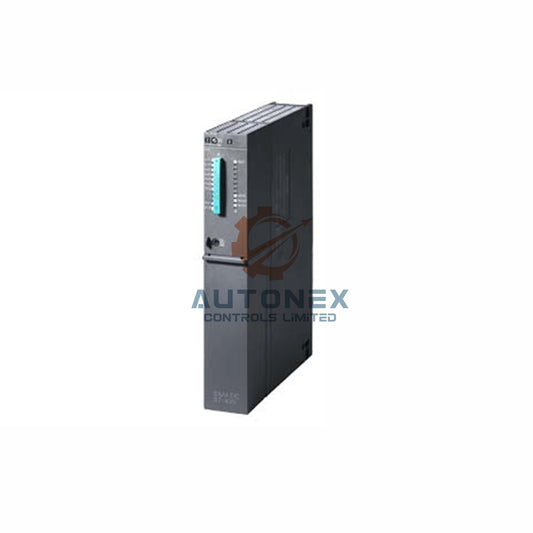
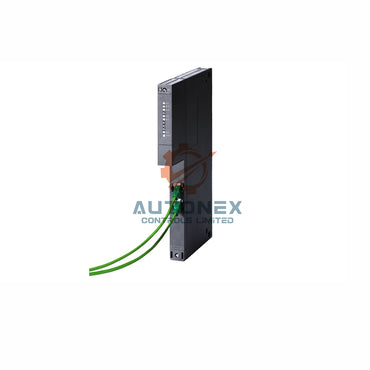
The 1756-EN2T operates as a conventional single-port communication interface. It depends on external switching hardware to join network segments. Conversely, the 1756-EN2TR integrates two physical ports on one module. This built-in switch capability allows direct connections between adjacent devices. Therefore, the EN2TR supports ring architectures without requiring additional components. This fundamental design choice dictates the entire network topology approach.
Why DLR Technology Matters for Modern Factory Automation
Device Level Ring has become essential for high-availability control systems. This topology offers rapid fault detection and automatic path switching. When a cable break occurs, recovery completes within 3 milliseconds. Such speed prevents disruptions to time-sensitive industrial processes. The EN2TR was purpose-built to participate as an active ring node. It leverages the DLR protocol fully without relying on external managed switches.
Analyzing the True Cost of Single-Port Implementations
The 1756-EN2T appears economically attractive at first glance. However, the complete system cost tells a different story. Creating redundancy with EN2T modules requires at least two managed Ethernet switches. These switches typically add $1,800 to $3,200 to project expenditures. Additional cabling and panel space further increase the total investment. Engineers must consider these factors during the budgeting phase.
Financial Benefits of Integrated Dual-Port Architecture
The 1756-EN2TR commands a price premium of roughly 25% over the EN2T. Nevertheless, this difference disappears when accounting for eliminated switch hardware. A typical four-node ring network removes the need for two separate switches. This reduction simplifies procurement and lowers overall component costs. Moreover, configuration time decreases substantially with fewer devices to manage.

Embedded Switching Technology Simplifies Network Design
Rockwell Automation designed the EN2TR with an internal two-port switch. This embedded component handles traffic forwarding between ring neighbors automatically. Consequently, network architecture becomes cleaner and more straightforward. Each EN2TR serves as both communication interface and network infrastructure. The EN2T approach requires separate switches that add complexity to both design and maintenance. Fewer components naturally lead to higher system reliability.
Performance Characteristics Under Normal Operating Conditions
Both modules support 100 Mbps communication with full-duplex capability. They utilize the same producer-consumer data exchange model effectively. The EN2TR internal switch introduces approximately 0.5 microseconds of additional latency. This slight delay remains insignificant for nearly all industrial applications. Each module supports up to 256 TCP connections simultaneously. Therefore, application performance remains consistent across both options.
Recovery Speed Comparisons During Network Faults
Star networks with EN2T modules can achieve redundancy through REP protocols. However, recovery times typically range from 50 to 200 milliseconds. Native DLR networks using EN2TR modules recover in under 3 milliseconds. This performance gap of 47 milliseconds or more proves critical for coordinated motion applications. Faster recovery prevents unexpected machine stops and material waste. The EN2TR clearly outperforms in scenarios demanding continuous operation.
Practical Cost Analysis for a Multi-Node System
Consider a production line requiring eight ControlLogix controllers. Eight EN2T modules would cost approximately $8,200. Adding four managed switches for redundancy brings the total near $12,500. Eight EN2TR modules would cost roughly $10,400 with no external switches required. This represents savings of approximately $2,100 or 17% of total hardware costs. Larger systems yield even more substantial financial benefits for the EN2TR approach.
System Expansion Capabilities for Future Production Needs
The EN2TR supports DLR networks with up to 50 devices comfortably. Adding new nodes simply requires inserting them between existing ring connections. The EN2T architecture demands careful switch capacity planning for expansion. Available switch ports may limit growth or require additional switching hardware. From our experience, the EN2TR provides greater flexibility for facilities planning gradual expansions over time.
Long-Term Maintenance Considerations for Plant Floor Networks
Simpler networks with fewer components require less frequent maintenance intervention. The EN2TR configuration eliminates switches that could potentially fail. Troubleshooting a DLR ring proves straightforward when a fault occurs. The ring supervisor immediately identifies the cable break location. EN2T networks with multiple switches require more diagnostic effort. Maintenance teams typically resolve issues faster with the streamlined EN2TR architecture.

Optimal Applications for Each Communication Module Type
The 1756-EN2T suits standalone machines with basic networking requirements. Applications utilizing traditional star topologies benefit from its lower entry price. It works well for skid-mounted systems without redundancy expectations. The 1756-EN2TR excels in continuous process industries like refining and power generation. Automotive assembly lines also benefit from its rapid fault recovery capabilities. These applications cannot tolerate even momentary communication interruptions.
Industry Experience: Real-World Performance Observations
We have observed both modules operating in demanding production environments over several years. Facilities using EN2TR modules report fewer network-related production interruptions. Maintenance teams appreciate the simplified troubleshooting process during unexpected outages. Engineers designing new systems increasingly specify EN2TR for critical control paths. The initial cost difference becomes insignificant compared to uptime improvements. This real-world experience confirms the value proposition of integrated redundancy.
Technology Trends Shaping Future Ethernet/IP Network Designs
The industry continues moving toward simpler, more resilient network topologies. DLR adoption has grown substantially since its introduction by Rockwell Automation. Modern control systems increasingly demand the fast recovery times only ring architectures provide. Single-port modules remain relevant but serve increasingly specific niche applications. We anticipate continued migration toward dual-port devices with embedded switch functionality. This trend aligns with broader industrial automation goals of reducing complexity while improving reliability.
Recommended Decision Framework for Module Selection
Begin by evaluating your application's tolerance for network interruptions. Consider both current requirements and anticipated future needs carefully. Calculate total system costs including all supporting infrastructure components. Factor in maintenance capabilities and troubleshooting efficiency over time. For critical processes requiring maximum uptime, the EN2TR represents the prudent choice. For simple, isolated machines with minimal connectivity needs, the EN2T remains viable. This balanced approach ensures appropriate technology application without unnecessary expenditure.
Application Scenario: Automotive Assembly Line Implementation
An automotive manufacturer recently upgraded a door assembly line with 12 stations. They chose 1756-EN2TR modules configured in a single DLR ring. The system eliminated four managed switches required in the original design. Installation time decreased by approximately 30% due to simpler wiring. Most importantly, the line experienced zero network-related stoppages in its first year. This real implementation demonstrates the practical advantages of the dual-port approach.
Frequently Asked Questions
Can the 1756-EN2T participate in a Device Level Ring network?
The 1756-EN2T cannot directly join a DLR ring due to its single-port design. It requires external managed switches to create redundant paths. These switches add cost and complexity to the network architecture.
What cable length limitations apply to EN2TR ring networks?
Standard Ethernet cabling limits apply with maximum segment lengths of 100 meters. The total ring circumference can extend significantly using this specification. Proper cable selection remains essential for reliable long-distance communication.
How many devices can operate reliably in a single DLR ring?
A single DLR ring supports up to 50 nodes effectively according to Rockwell specifications. Performance remains stable within this limit for most applications. Larger networks should consider segmentation into multiple rings.
Do both modules support the same CIP protocol features?
Both modules support identical CIP services and EtherNet/IP functionality. The protocol implementation remains consistent across the ControlLogix family. Feature differences relate primarily to physical connectivity rather than protocol support.
What happens if power fails to one EN2TR in a ring?
The DLR protocol automatically reconfigures around the failed node. Communication continues for all remaining devices within approximately 3 milliseconds. The ring supervisor detects the break and maintains network integrity.
Contact Information: sales@nex-auto.com | +86 153 9242 9628
Partner: NexAuto Technology Limited
Check below popular items for more information in AutoNex Controls

