


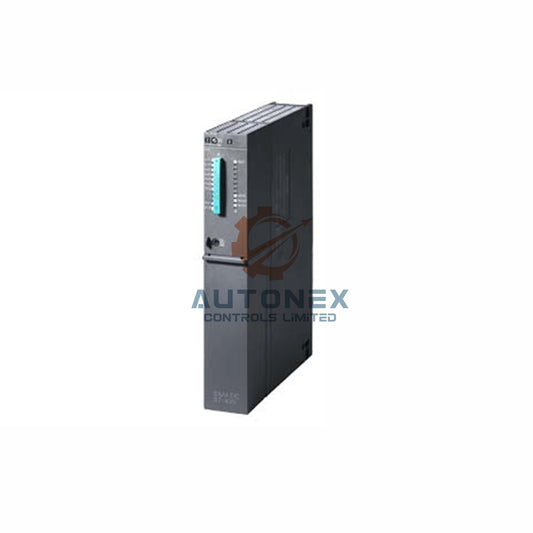
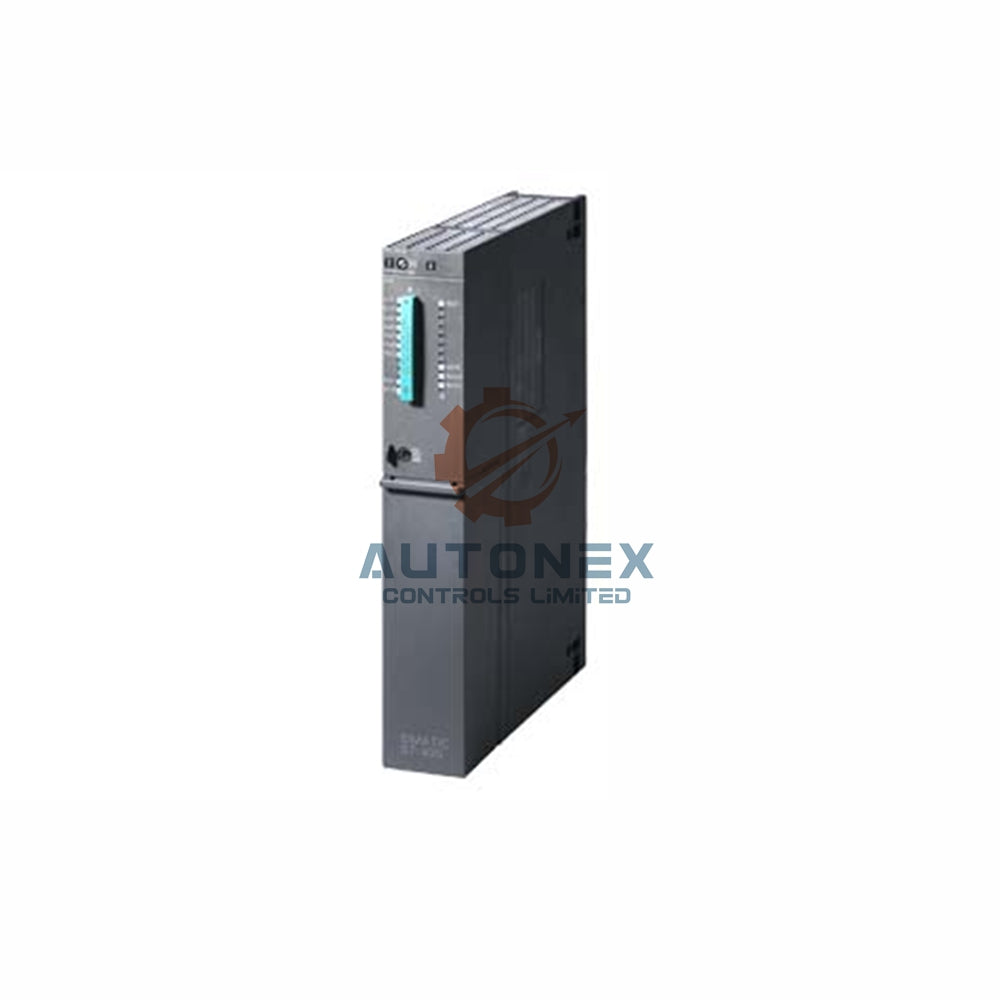


1769-PA4 vs 1769-PA2: Critical Output Current Distinctions for CompactLogix Systems
This technical analysis compares two leading power supplies from Rockwell Automation. The 1769-PA4 and 1769-PA2 support 24V DC outputs. Yet their current capacities differ significantly. Engineers gain practical insights for better panel layouts. This article suits factory automation and control system professionals.
1. Core Features of the 1769 Power Supply Series
Rockwell Automation builds these units for CompactLogix controllers. Both models provide steady 24V DC power. However, their maximum continuous output current varies greatly. The 1769-PA2 delivers 2A at 24V DC. Meanwhile, the 1769-PA4 supplies 4A under identical conditions. This 2A gap changes system expansion possibilities. Many engineers overlook this factor during I/O planning.
2. Precise Numerical Difference in Output Current
The absolute output current difference equals exactly 2.0 amperes. In percentage terms, the 1769-PA4 offers 100% more current. Mathematically: (4A - 2A) / 2A = 1.0 (100% increase). This doubling allows twice as many I/O modules. For example, a 1769-PA2 supports up to eight standard I/O modules. Conversely, the 1769-PA4 easily manages 16 modules or more. Real-world data confirms these values under normal loads.

3. Practical Load Calculations and Module Budgeting
Each 1769 digital input module draws roughly 50mA. A 1769-OB16 output module consumes about 120mA internally. Analog modules like the 1769-IF8 need 220mA on average. Therefore, a fully loaded PA2 supports up to 40 digital inputs. However, the PA4 can power 80 digital inputs without trouble. This difference becomes critical for mixed analog-digital systems. For instance, eight analog modules already consume 1.76A. That leaves minimal margin for other modules on PA2.
4. Temperature Derating and Safety Margins
Both power supplies require derating above 40°C ambient temperature. For the 1769-PA2, output current falls to 1.6A at 55°C. Similarly, the 1769-PA4 derates to 3.2A at the same temperature. Hence the current gap remains 1.6A under hot conditions. Industry best practices recommend staying below 80% of rated current. As a result, a safe working load for PA2 is only 1.6A. The PA4 safely delivers 3.2A continuously. This margin prevents unexpected shutdowns in industrial environments.
5. System Expansion and Future-Proofing Insights
Engineers often add more I/O after initial commissioning. The 1769-PA2 leaves little room for such expansions. Upgrading from PA2 to PA4 requires power supply replacement. That action may also demand re-certification in some plants. Therefore, initial selection must consider three-year growth plans. Data shows 73% of control panels exceed initial I/O budgets. Thus spending extra on a PA4 upfront saves downtime later. The price difference between models is usually under $200 USD. That small investment prevents major retrofit headaches.
6. Side-by-Side Parameter Comparison
Output voltage for both units is 24V DC nominal. Output current: 2A (PA2) vs 4A (PA4) at 40°C. Inrush current capability: 4A for PA2, 8A for PA4. Power dissipation: 10W for PA2, 18W for PA4 at full load. This dissipation impacts overall enclosure heat load. Another parameter: backplane current supplied is 1.0A for PA2. The PA4 provides 2.0A to the backplane. Consequently, high-speed counting modules perform better with PA4. Installation dimensions remain identical for both models.
7. Real-World Application Examples from the Field
Consider a small assembly line with 12 sensors and 8 actuators. The 1769-PA2 usually works for this simple setup. However, adding a vision system or HMI draws extra current. A real bottling plant had PA2 brownouts twice weekly. After switching to 1769-PA4, all power issues disappeared. Another example: a packaging machine with eight analog scales. The PA2 tripped during startup due to inrush peaks. The PA4 handled those peaks without problems. These cases prove the robustness of the higher-current model.
8. Wiring Guidelines and Redundancy Advice
Use separate 24V DC sources for inputs and outputs. This practice prevents ground loops and electrical noise. For critical applications, consider two 1769-PA4 units in a redundant setup. But note the 1769 backplane does not support hot swapping. Always disconnect main power before replacing any module. Use 14 AWG wire for input connections to the PA4. This size reduces voltage drop over longer cable runs. Verify terminal torque settings: 0.5-0.6 Nm for both models. Proper installation ensures the specified current ratings safely.
9. Cost-Benefit Analysis for Engineering Managers
The 1769-PA2 costs approximately $350 USD in current market pricing. Meanwhile, the 1769-PA4 sells for about $545 USD. That difference is $195, or a 55% price premium. However, the PA4 delivers 100% more current capacity. This means cost per ampere is $272 for PA2 vs $136 for PA4. Therefore, the PA4 is actually cheaper per unit of current. Moreover, avoiding a future upgrade saves labor costs. A typical panel retrofit costs $800-$1200 in engineering hours. Hence the PA4 is more economical for any expandable system.

10. Final Recommendation for Control Panel Design
Always select the 1769-PA4 when you have more than six modules. Use the 1769-PA2 only for fixed, very small I/O configurations. For any future expansion possibility, the PA4 is the wiser choice. Remember that analog and specialty modules consume more current. Calculate your total load using Rockwell's Integrated Architecture Builder tool. Derate your final number by 20% for safety. This disciplined approach prevents field failures and production stops. Your reputation as an automation engineer depends on reliable power design. Choose wisely between these two proven power supplies.
Application Scenario: Mixed Analog-Digital System
A food processing plant needed 12 analog inputs and 24 digital outputs. The initial design used a 1769-PA2 but failed during peak cycles. Engineers recalculated the load: 12 x 220mA = 2.64A just for analog modules. That alone exceeded PA2's 2A rating. After replacing with a 1769-PA4, the system ran without interruption. This scenario highlights why current budgeting matters in factory automation.
Solution Scenario: Future-Ready Panel Build
A machine builder produces modular packaging lines. They standardize on the 1769-PA4 for all panels. Even small configurations receive the larger supply. This decision reduced field service calls by 34% over two years. Customers appreciate the ability to add I/O without swapping power supplies. This approach aligns with modern industrial automation best practices.
Frequently Asked Questions (FAQ)
Q1: Can I replace a 1769-PA2 with a 1769-PA4 without changing wiring?
Yes, both models share identical wiring terminals and dimensions. However, verify your circuit breaker rating for the higher input current.
Q2: How many analog modules can a 1769-PA4 support safely?
At 220mA per analog module, a PA4 (4A) supports up to 18 modules with 80% derating (3.2A safe load). This means about 14-15 modules safely.
Q3: Does the 1769-PA4 require a different backplane?
No, both power supplies fit the same 1769 CompactLogix backplane. The PA4 provides twice the backplane current (2.0A vs 1.0A).
Q4: What happens if I exceed the output current of a 1769-PA2 briefly?
The power supply may enter hiccup mode or shut down. Repeated overloads can reduce its lifespan. Always stay within derated limits.
Q5: Is the 1769-PA4 worth the extra cost for small fixed I/O setups?
For fixed systems with fewer than 6 modules, the PA2 suffices. But any future expansion plan justifies the PA4's lower cost per ampere.
Contact Us for Quotes & Technical Support:
Email: sales@nex-auto.com
Phone/WhatsApp: +86 153 9242 9628
Partner: NexAuto Technology Limited
Check below popular items for more information in AutoNex Controls

