

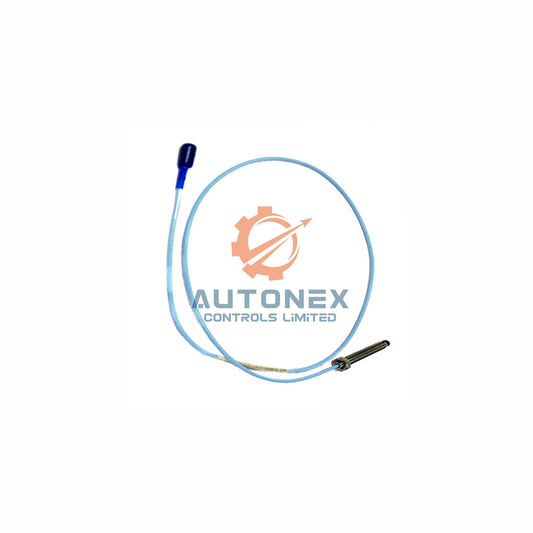
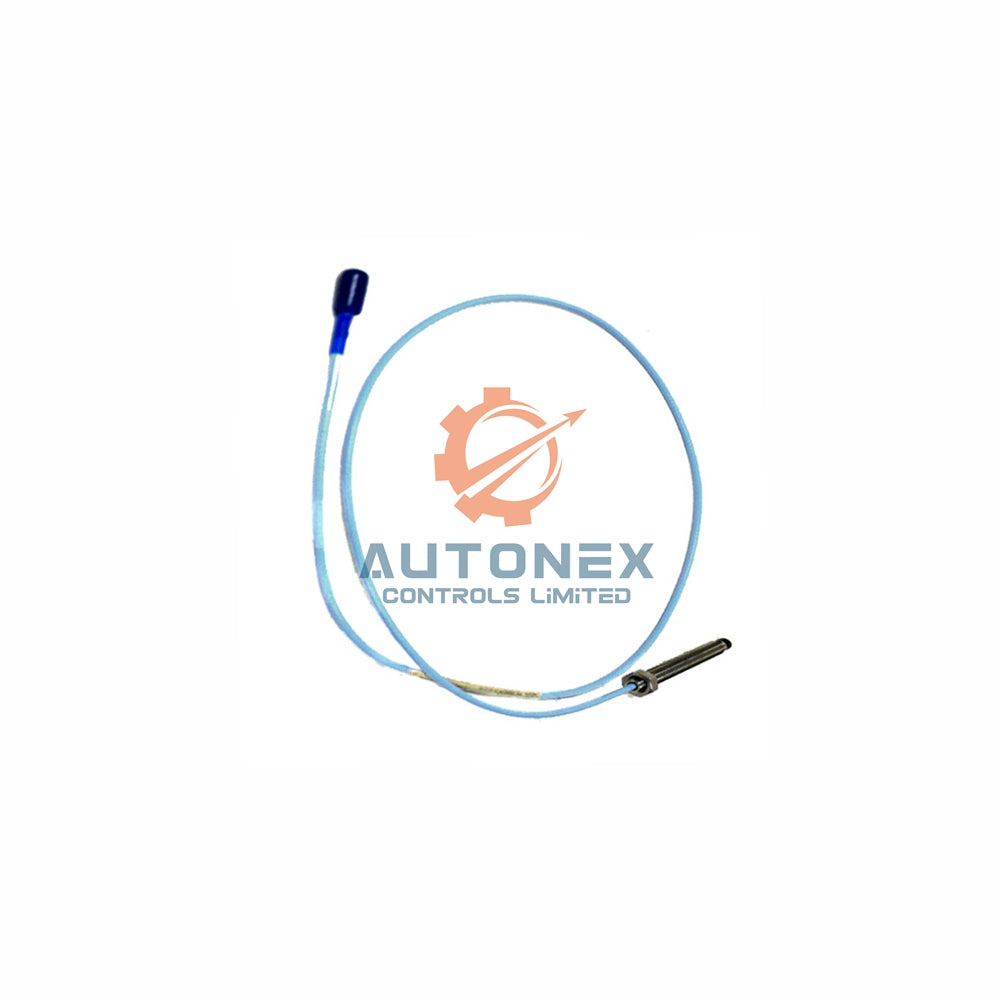


Industrial temperature sensing: selecting the right sensor for PLC & DCS architectures
In more than 70% of industrial process control loops, temperature measurement plays a decisive role. Engineers routinely face a critical trade-off: should they install a thermocouple (TC) or a resistance temperature detector (RTD)? This choice influences process efficiency, product quality, and long‑term operational expenditure. Two devices that often come into focus are the 1756‑IT6I2 analog input module and the IR12 infrared sensor. Although their application fields differ, both are essential in contemporary factory automation. Below we deliver a data‑driven, experience‑based comparison to support your specification process.
1. Sensing fundamentals: TC versus RTD operating principles
Thermocouples rely on the Seebeck effect: a voltage forms at the junction of two different metals. They excel in extreme environments, routinely covering –200 °C up to 2300 °C+ with special alloys. On the other hand, RTDs use the predictable increase in electrical resistance of pure platinum (e.g., Pt100 sensors). Their typical span is limited to –200 °C … 850 °C, but they offer remarkable repeatability. Therefore your maximum process temperature is often the first filter in the decision process.
2. Hardware deep dive: 1756‑IT6I2 isolated analog input module
The Allen‑Bradley 1756‑IT6I2 belongs to the ControlLogix family and provides six isolated channels for temperature devices. It accepts both thermocouple and millivolt signals, and channel‑to‑channel isolation reaches 250 V, safeguarding data integrity in electrically noisy plants. Moreover, the scanning rate can be tuned for high‑speed tasks; under 50 ms for all six channels is achievable. This flexibility makes the module a backbone for complex systems mixing sensor types on one backplane.

3. IR12 infrared sensor: non‑contact measurement for moving targets
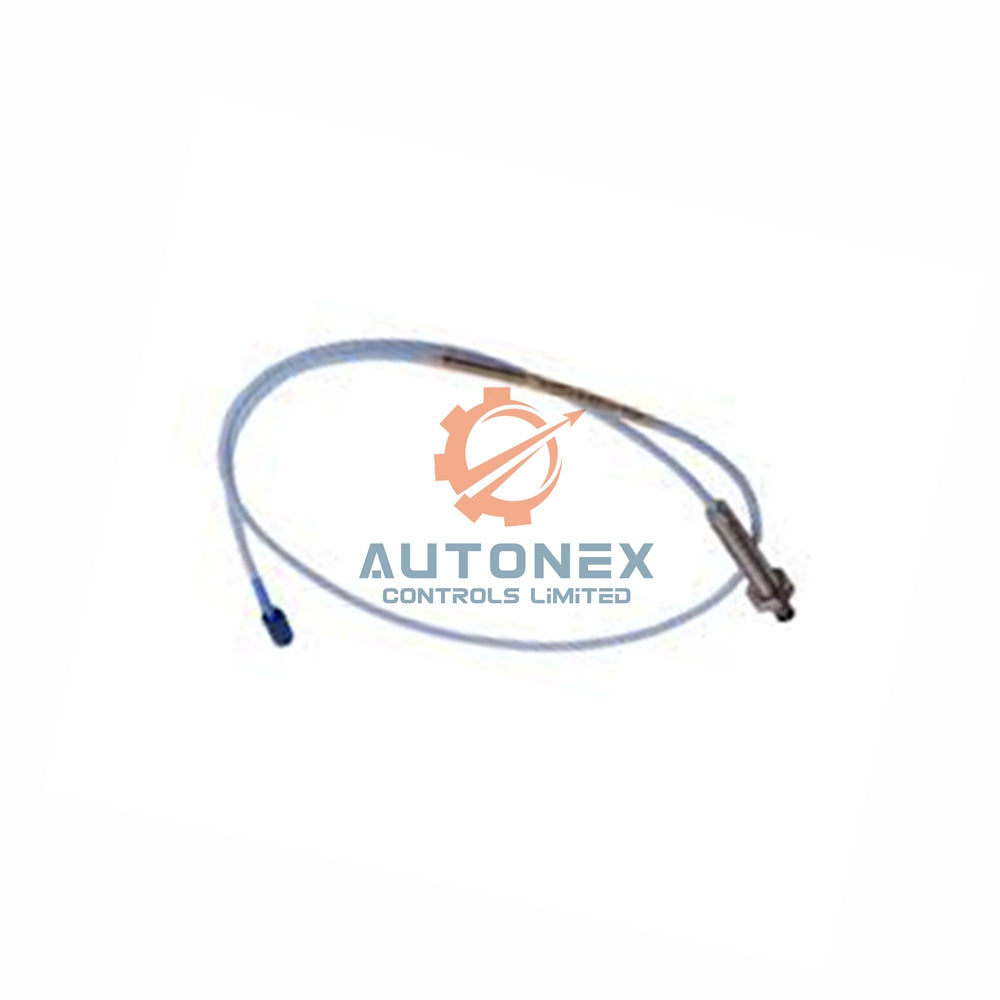
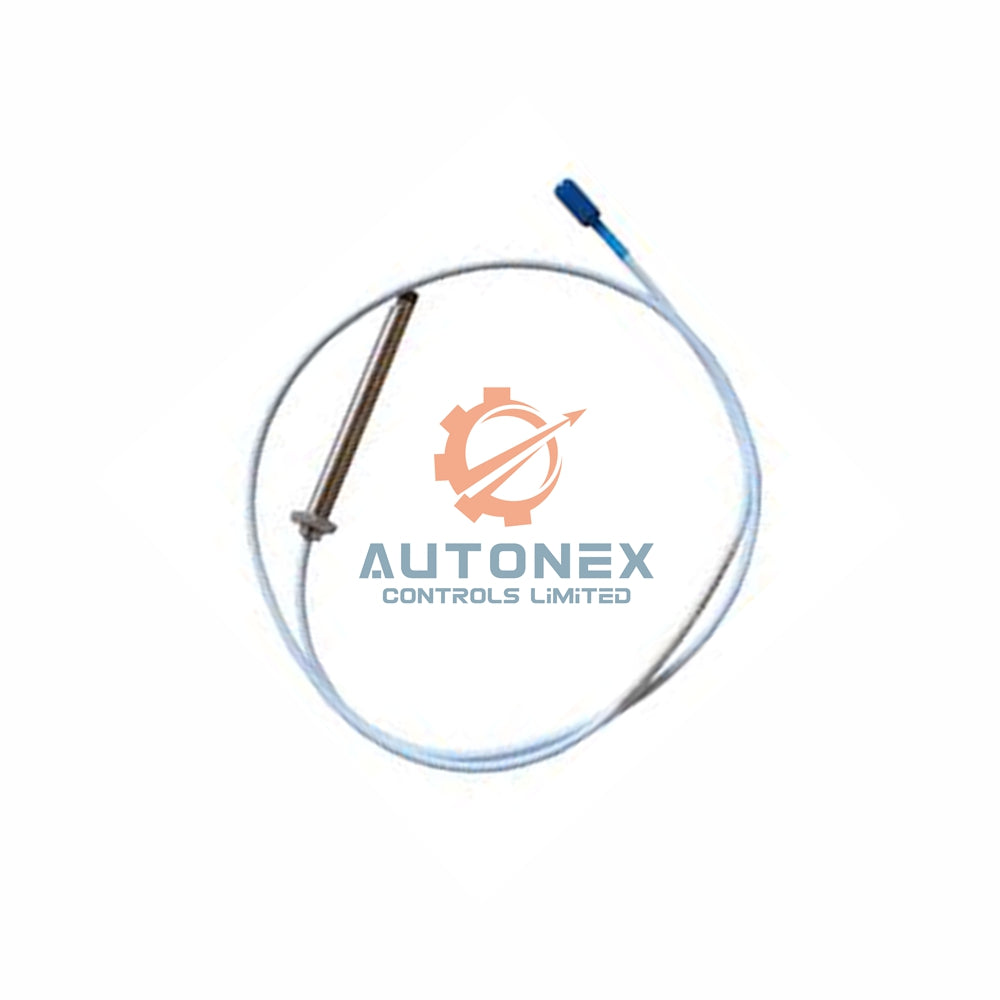
The IR12 sensor captures infrared energy emitted from an object and transforms it into an electrical output. Many variants include a built‑in display and a rugged stainless steel enclosure rated IP65. Its optical resolution (distance‑to‑spot ratio) often reaches 10:1 or higher, enabling accurate reading of small or moving targets from a safe distance—something contact probes simply cannot do. From my experience, IR12 sensors are invaluable when product speed or access restrictions rule out physical contact.
4. High‑temperature furnace monitoring (application example)
Consider a steel reheat furnace running above 1200 °C. An RTD would fail within minutes. Instead, a specialised thermocouple (Type B or R) is mandatory. This sensor connects directly to the 1756‑IT6I2 module. The module’s cold‑junction compensation (CJC) automatically corrects ambient temperature variations at the terminals. As a result, combustion control becomes precise, potentially cutting fuel consumption by up to 5 %.
5. Pharmaceutical reactor control with Pt100 RTD
Pharmaceutical processes often demand tolerances within ±0.2 °C. A Class A Pt100 RTD fits perfectly because of its inherent accuracy and minimal long‑term drift (< 0.05 °C/year). The 1756‑IT6I2 resolves the small resistance changes with high precision, ensuring batch consistency and helping meet FDA validation requirements. In my view, for regulated industries the extra sensor cost is easily justified by reduced qualification efforts.
6. Conveyor line monitoring using IR12
Picture a conveyor transporting asphalt components at 2 m/s. A contact thermometer would be damaged immediately. Here an IR12 sensor, aimed at the moving material, captures real‑time temperature with a response time below 250 ms. This non‑contact approach maintains product viscosity and prevents downstream blockages. It is a classic case where non‑contact technology outruns traditional probes.
7. Accuracy, drift, and long‑term stability
For maintenance budgets, long‑term stability is key. RTDs typically drift less than 0.1 °C per year. Base‑metal thermocouples, however, may drift due to oxidation or contamination. Nevertheless, the 1756‑IT6I2 allows custom linearisation curves to compensate for sensor non‑linearities. This digital correction can boost overall system accuracy by about 0.1 % of span—an advantage often overlooked by specifiers.

8. Noise immunity and wiring considerations
Industrial floors are electrically aggressive. The 1756‑IT6I2’s isolated inputs break ground loops, a common error source. Thermocouple signals are low‑level and demand shielded twisted‑pair wiring. RTDs, operating at higher resistance, are generally more immune to noise but must handle lead‑wire effects—hence 3‑wire or 4‑wire configurations. In my practice, proper wiring is as important as sensor selection.
9. Total cost of ownership: initial outlay vs lifecycle expense
Thermocouples (e.g., Type J or K) cost significantly less upfront than precision RTD probes. Yet the total cost of ownership often favours RTDs. Their longevity and stability reduce replacement frequency and calibration effort. In critical loops using the 1756‑IT6I2, the higher sensor price is quickly offset by avoiding unplanned downtime, which can run into thousands of dollars per hour.
10. Seamless integration with Rockwell Automation's Studio 5000
The 1756‑IT6I2 integrates effortlessly with Studio 5000. Engineers configure channels directly, selecting thermocouple types or millivolt ranges from simple drop‑down menus. Real‑time data and diagnostics (e.g., open‑circuit detection) are continuously available. This diagnostic capability enables predictive maintenance—flagging a failing sensor before it disrupts production.
11. Data‑driven decision framework
The final choice depends on process variables, not guesswork. For temperatures above 850 °C, thermocouples paired with the 1756‑IT6I2 are the only viable solution. For applications demanding extreme accuracy and stability below 500 °C, RTDs are superior. For moving objects or hazardous spots, the IR12 provides a safe alternative. By analysing temperature range, required accuracy, ambient conditions, and budget, you can select the optimal sensor with confidence.
12. Additional application cases (field experience)
- Cement kiln preheater: Type K thermocouples + 1756‑IT6I2 – reliable up to 1000 °C, with CJC ensuring accuracy despite ambient heat.
- Food & beverage storage: Pt100 RTDs monitor cold rooms; the module’s isolation prevents condensation‑related errors.
- Induction heating line: IR12 sensors track fast‑moving metal parts without physical contact, updating the PLC every 150 ms.
Frequently asked questions (temperature sensing)
-
Can the 1756‑IT6I2 read both thermocouples and RTDs simultaneously?
Yes, the module accepts thermocouple and millivolt signals, but RTDs usually require an external transmitter or a resistance‑input module. However, many engineers use the 1756‑IT6I2 for TC/mV and pair it with an RTD input module for Pt100. -
How often should I calibrate thermocouples vs RTDs?
In moderate environments, RTDs can often go 2–3 years between calibrations, while base‑metal thermocouples may need checking every 6–12 months due to drift. -
What is the maximum distance between sensor and 1756‑IT6I2?
For thermocouples keep wiring under 30 m to avoid noise pick‑up. With 4‑20 mA transmitters (IR12 often provides analogue output) you can go much farther, up to 300 m. -
Does the IR12 sensor work in direct sunlight?
Yes, but additional shielding or a sun shield is recommended to prevent false readings caused by solar heating of the sensor housing. -
Which sensor type gives the fastest response?
Exposed‑junction thermocouples and IR12 sensors are fastest (milliseconds). RTDs are slower due to the mass of the sensing element.
Contact Information Inquiries: sales@nex-auto.com · +86 153 9242 9628 (WhatsApp)
Partner NexAuto Technology Limited : https://www.nex-auto.com/
Check below popular items for more information in AutoNex Controls

