



IC693CBL301 Extension Cable: Can You Safely Extend a 2-Meter I/O Bus Cable?
Understanding the IC693CBL301 Factory Specification
What Defines the Factory IC693CBL301 Cable?
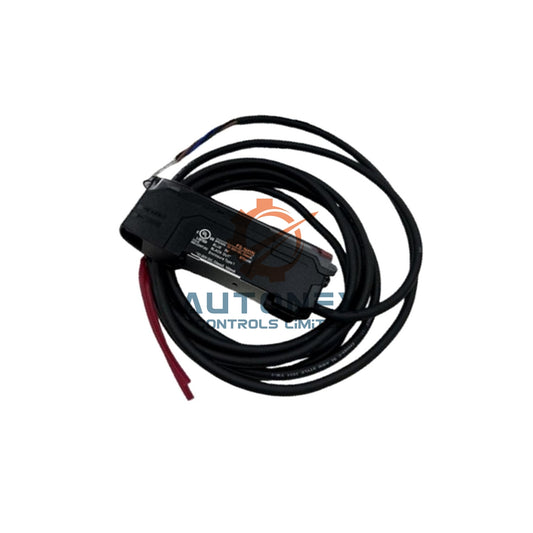
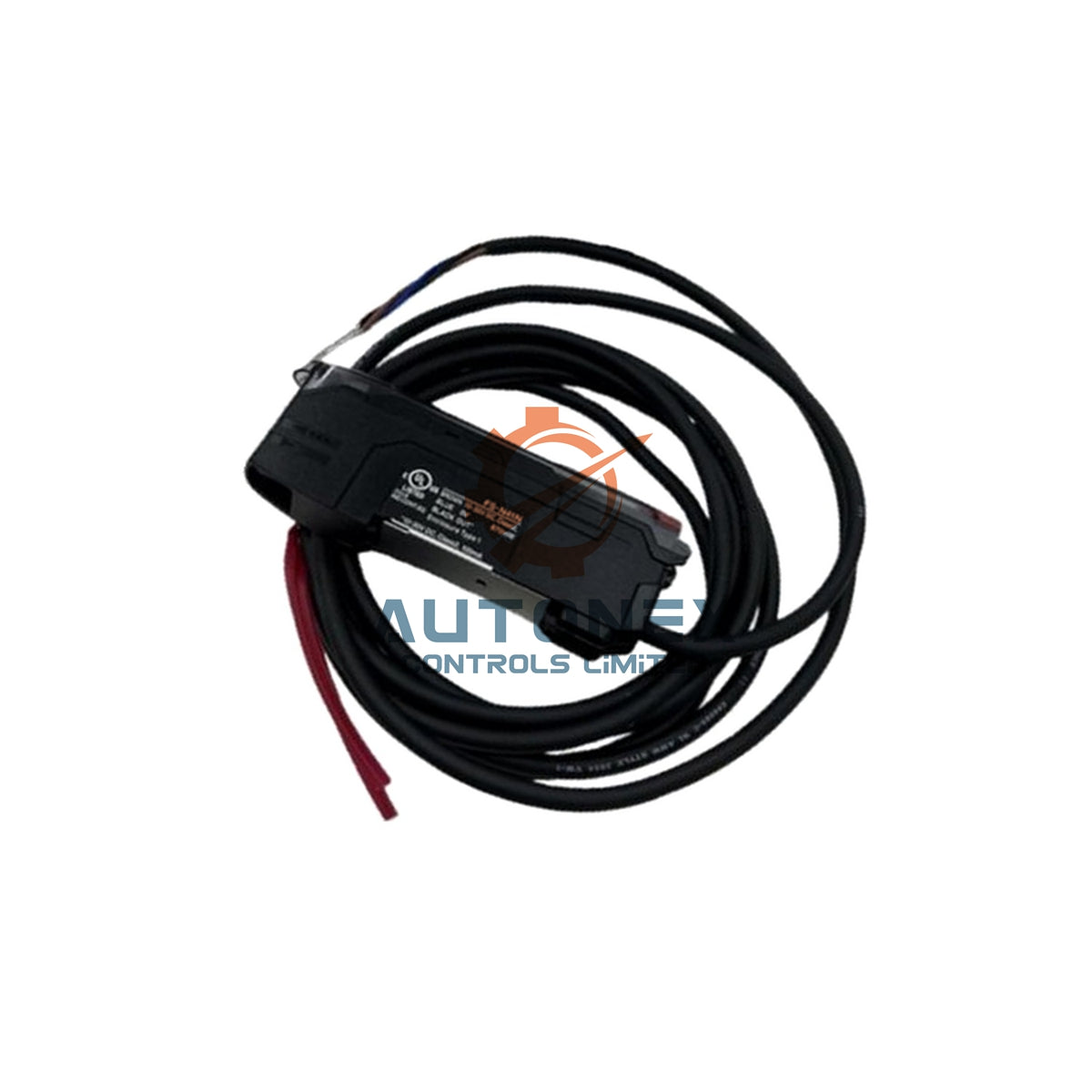
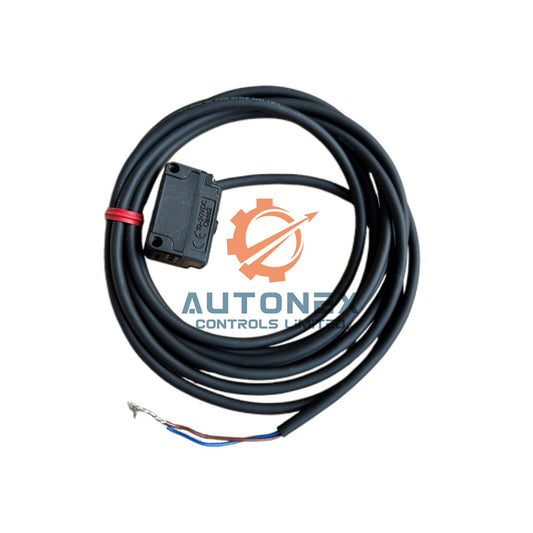
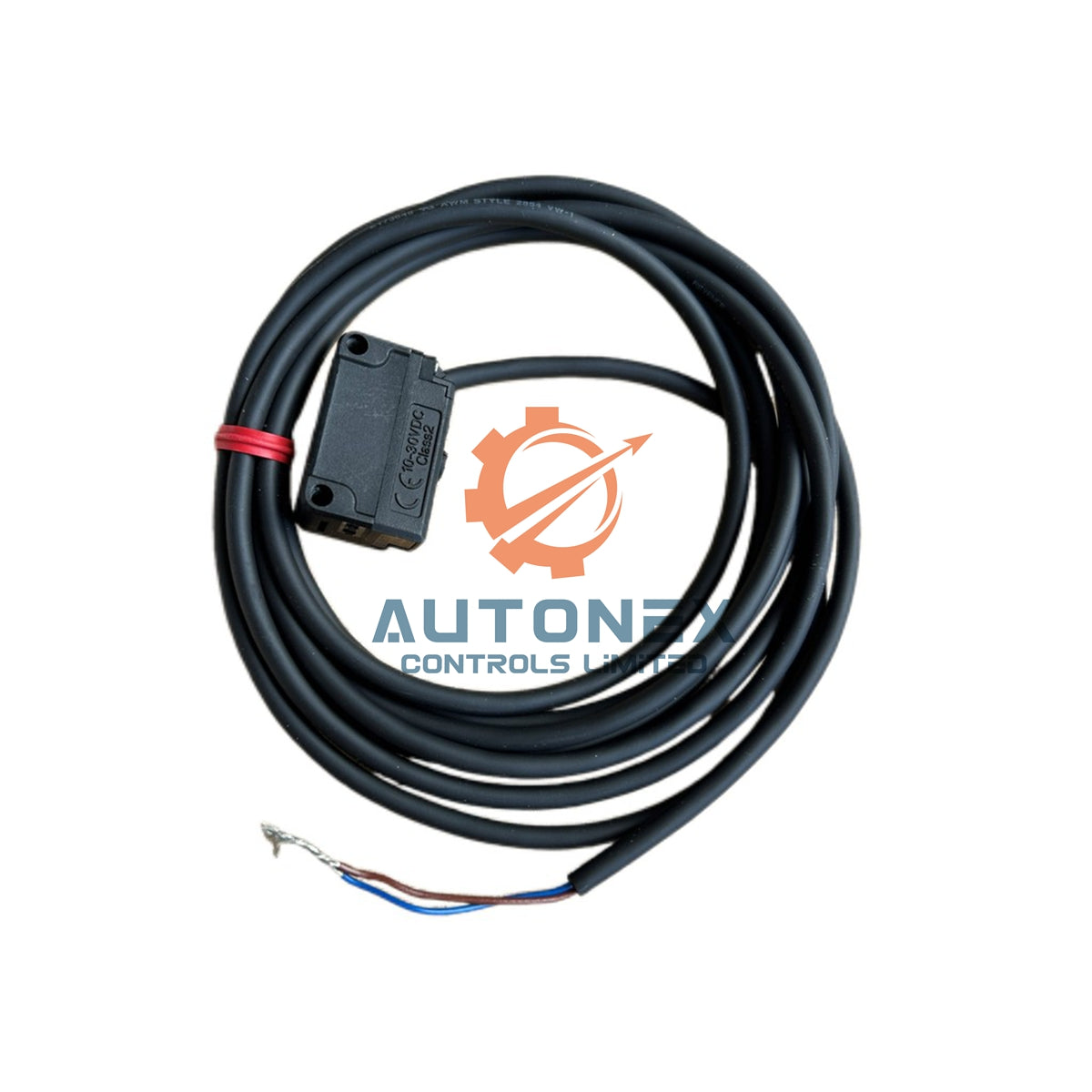
The IC693CBL301 is a factory-built I/O bus expansion cable for the GE Series 90-30 PLC platform.
According to technical documentation, this cable has a length of exactly 2 meters or 6 feet.
It features a male 25-pin D connector on one end and a split connector on the other.
Additionally, the cable utilizes continuous shielding to protect data transmission.
These cables connect expansion or remote baseplates to the CPU baseplate.
The Critical 15-Meter Constraint for Expansion Systems
Why Does Total Cable Length Matter in Factory Automation?
Engineers must recognize that the IC693CBL301 operates within a strict system architecture.
Therefore, the total cable length between the CPU and the last expansion baseplate cannot exceed 15 meters or 50 feet.
The system supports a maximum of seven interconnected cables.
Consequently, replacing a 2-meter cable with a longer custom cable consumes more of this total budget.
Exceeding the 15-meter limit typically results in erratic I/O data exchange.

Signal Attenuation and the Inverse Relationship with Data Rate
How Does Cable Length Affect Signal Quality?
Extending the cable length directly increases signal attenuation at the receiver.
Longer cables create a parasitic RC filter that degrades signal quality.
Subsequently, the maximum reliable data rate decreases as cable distance increases.
A good design rule limits insertion loss to 6-8 dB at the Nyquist frequency.
Therefore, doubling the cable length could push attenuation beyond acceptable margins.
Bus Impedance Discontinuities and Signal Reflections
Why Does Impedance Matching Matter for PLC Control Systems?
Extending a cable introduces impedance mismatches at the splice or connector point.
The factory cable uses Belden 8107 wire with a nominal impedance of 100 ohms.
Consequently, any custom extension must match this 100-ohm characteristic impedance exactly.
Mismatches create signal reflections that interfere with subsequent data bits.
The reflection coefficient approaches zero only when load impedance matches source impedance.
Termination Requirements After Cable Modification
Where Must You Install the Termination Resistor Pack?
Every expansion bus requires proper termination at the final backplane.
A 120-ohm termination resistor pack (IC693ACC307) must be installed on the last connector.
However, the IC693CBL301 itself does not include built-in termination.
If you extend the cable, you must ensure the termination pack remains at the physical end.
Otherwise, reflections will degrade signal integrity across the extended bus.
Feasibility of Building a Custom Extended Cable
Can You Build a Custom Cable for Industrial Automation?
Technically, you can build a custom cable using the correct materials and connectors.
The system manual explicitly states that custom cables are necessary for non-standard lengths.
You must use Belden 8107 cable or an exact equivalent without substitution.
Furthermore, you need metalized connector covers that maintain shield continuity.
Solder the drain wire to the connector shell alone; the shield must be continuous end-to-end.

Practical Risks and Engineering Recommendations
What Are the Real Risks of Extending the IC693CBL301?
Although theoretically possible, extending the IC693CBL301 carries significant practical risks.
First, the 15-meter total limit for expansion systems remains absolute.
Second, custom cables lack the quality control of factory assemblies.
Third, impedance discontinuities from poor splices will cause intermittent faults.
Therefore, engineers should use the factory 8-meter IC693CBL313 when additional length is needed.
For distances beyond 15 meters, transition to a remote baseplate configuration instead.
Application Case and Solution Scenario
How Should You Handle Longer I/O Bus Runs in DCS and PLC Projects?
In real factory automation projects, layout changes often demand longer bus runs.
However, the Series 90-30 architecture does not allow unlimited cable extension.
A practical solution is to keep the IC693CBL301 for short links.
Then, use the IC693CBL313 for medium distances within the 15-meter budget.
For long distances, deploy a remote baseplate with a proper communication link.
This approach protects signal integrity and reduces commissioning time.
Frequently Asked Questions
1. Can I safely extend the IC693CBL301 beyond 2 meters?
You can build a custom cable, but you must respect the 15-meter total system limit.
You also need exact 100-ohm impedance and continuous shielding.
2. What happens if I exceed the 15-meter limit?
The bus may experience erratic I/O data exchange and intermittent faults.
Signal attenuation and reflections will degrade reliable communication.
3. Does the IC693CBL301 include termination?
No, the IC693CBL301 does not include built-in termination.
You must install the 120-ohm termination pack on the last connector.
4. Which cable should I use for a longer factory assembly?
Use the factory 8-meter IC693CBL313 when you need more length.
It maintains the quality control and impedance characteristics of the original design.
5. What is the best solution beyond 15 meters?
Transition to a remote baseplate configuration instead of extending the bus cable.
This method supports longer distances without violating bus impedance rules.
Contact Information
Inquiries: sales@nex-auto.com
Phone / WhatsApp: +86 153 9242 9628
Partner NexAuto Technology Limited: https://www.nex-auto.com/
Check below popular items for more information in AutoNex Controls

