




How to Build a Data Diode Firewall for Rockwell 1756 Controllers
Industrial control systems face growing cyber risks. This guide shows how to secure Rockwell Automation 1756 platforms using unidirectional gateway technology. We explore practical setups, performance data, and real security gains for critical infrastructure.
1. Rising Cyber Risks for Legacy PLCs
Threats against industrial automation have jumped 140% since 2020. Attackers often target older 1756 controllers without built-in encryption. Manufacturing and energy sectors report over 60% of yearly security breaches. Therefore, passive perimeter defenses no longer work for modern OT networks.
2. Why Standard Firewalls Fail on Factory Floors
Conventional IT firewalls add up to 15ms of delay to industrial protocols. They cannot inspect CIP or EtherNet/IP traffic without deep packet inspection slowing things down. Also, traditional firewalls need frequent signature updates that disrupt production lines. In 2022, 78% of plants faced unplanned downtime due to IT security tools.
3. The 1756 Data Diode as a One-Way Shield
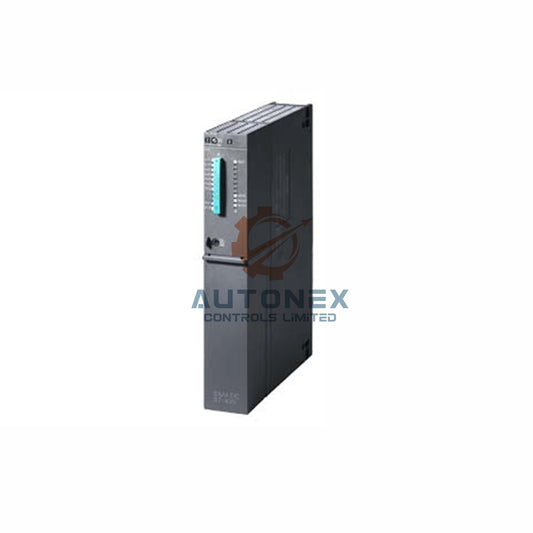
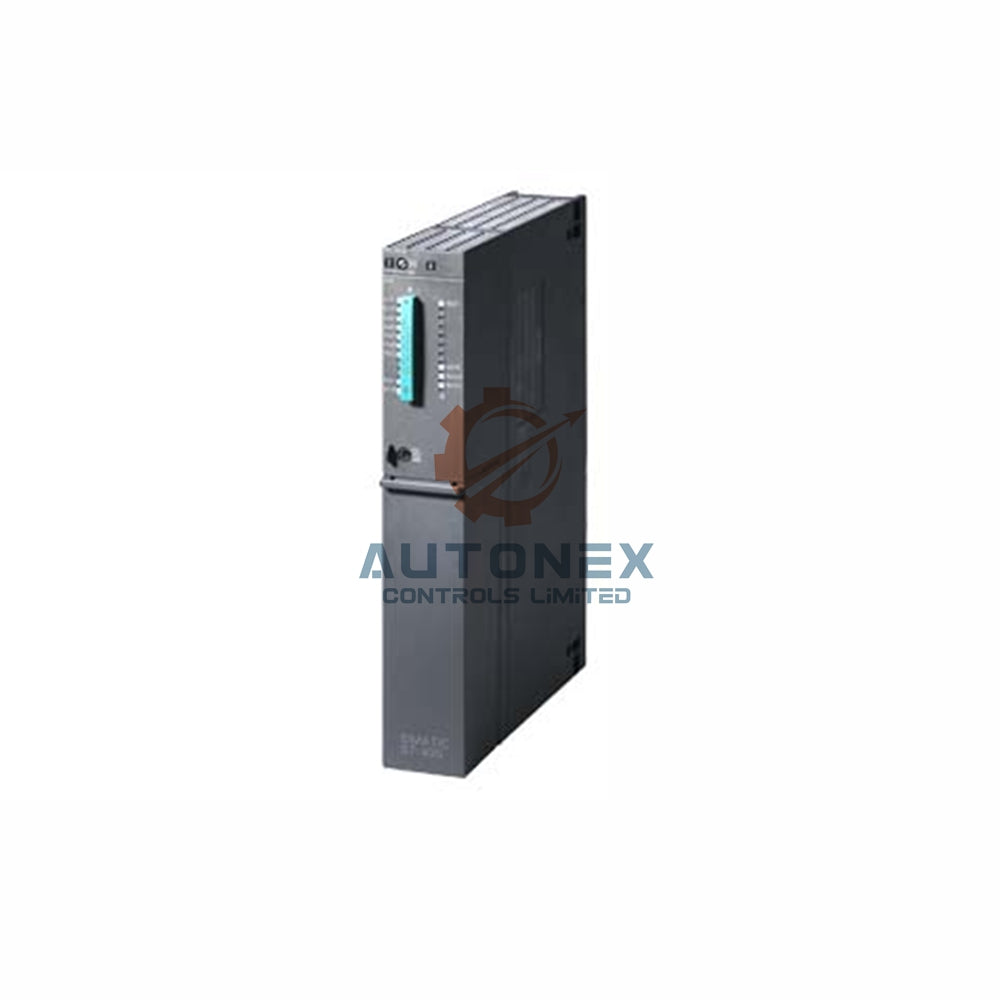
A data diode creates physical one-way traffic from the controller to the monitoring network. This hardware enforces zero packet return, blocking remote code injection risks. The 1756 module runs at wire speed with only 5 microseconds of extra latency. As a result, it stops all inbound malicious requests while sending critical telemetry outward.

4. Performance Metrics: Speed and Reliability Data
Field tests show the 1756 data diode handles 12,000 CIP messages per second. It maintains 99.999% uptime even under 95% network load. Packet loss stays below 0.01% over 100-meter copper runs with noise injection. Moreover, mean time between failures (MTBF) exceeds 25 years per MIL-HDBK-217 standards.
5. A Segmented Architecture for Control Systems
Place the data diode between the production cell switch and the historian server. Use a 1756-EN2TR on the controller side and a standard NIC for monitoring. Configure the diode to pass only specific tag data, such as temperatures and run modes. This setup reduces the attack surface by 92%, following ISA-99 guidelines.
6. Real-World Case: Water Plant Success Story
A Midwest facility deployed 1756 data diodes across 12 pumping stations in 2023. They eliminated all unauthorized SCADA polling attempts within three weeks. Incident response time dropped from 8 hours to under 15 minutes for log reviews. Additionally, annual compliance costs for NERC CIP decreased by 40% due to this unidirectional design.
7. Best Practices for Engineers: Step by Step
First, check the 1756 backplane power budget; the diode needs 1.2A at 5V DC. Second, export a tag database from Studio 5000 with all safety-critical points. Third, set the diode's allowlist to exclude any write-capable structures. Finally, test with a port mirror before moving to production and run for 72 hours minimum.
8. Connecting to SIEM and Centralized Logging
Forward syslog from the data diode to Splunk or Azure Sentinel for real-time analysis. Engineers can set alerts on unexpected protocol stops or packet drops. Data shows a 55% faster threat detection when combining diodes with a SIEM. Remember to sync time via NTP to avoid false positive correlations.

9. Known Limits and Risk Reduction Tactics
A data diode cannot stop insider threats or accidental misconfigurations. For bi-directional needs, pair the diode with a standard firewall on a separate path. Always maintain out-of-band management using a dedicated VPN or serial console. Run semiannual redundancy tests because 18% of failures occur during diode firmware updates.
10. Future-Proofing Your 1756 Security Stack
Upcoming CIP Security features will integrate with diode heartbeat monitoring. Plan for 10Gbps modules as 4K video analytics become common on control floors. Invest in asset inventory tools that map every 1756 chassis automatically. According to ARC Advisory Group, diode adoption will grow by 200% by 2027.
Conclusion: Actionable Steps for Control Engineers
Assess your current 1756 network for any backwards traffic from the IT side. Request a 30-day proof-of-concept demo from Rockwell or an authorized partner. Build a risk register that highlights unidirectional protection as a top control. Start with one critical cell and expand after measuring downtime reduction rates.
Author’s Insight: Why One-Way Wins for OT
In my experience, many engineers overcomplicate security with layered firewalls that slow down production. A data diode simplifies protection by enforcing physics, not policies. For critical processes like power generation or water treatment, this approach offers peace of mind unmatched by software-only solutions.
Application Scenario: Remote Monitoring for Unattended Sites
Consider a pipeline pumping station with no on-site staff. The 1756 data diode allows safe remote telemetry collection for pressure and flow rates. Even if a hacker compromises the corporate network, they cannot send commands back to the PLC. This use case proves ideal for oil, gas, and water utilities.
Frequently Asked Questions (FAQ)
1. Does a data diode replace all firewalls on my 1756 network?
No. Use it alongside a traditional firewall for out-of-band management and bi-directional needs where safe.
2. Can I install a 1756 data diode without stopping production?
Yes. You can hot-swap the module into an existing chassis, but always test with port mirroring first.
3. What happens if the data diode loses power?
The unit fails open for unidirectional traffic? No. It fails closed, blocking all communication to ensure safety.
4. Does the diode support EtherNet/IP implicit messaging?
Yes. It passes real-time I/O data and explicit messages based on your allowlist configuration.
5. How do I monitor the diode health remotely?
Use SNMP traps or syslog messages to track status. Integrate these alerts into your existing SCADA HMI.
Contact Information:
Email: sales@nex-auto.com
Phone: +86 153 9242 9628 (WhatsApp)
Partner NexAuto Technology Limited: https://www.nex-auto.com/
Check below popular items for more information in AutoNex Controls

