




How to Implement a SIL3 Safety Output Using the 1756-OBV8S Module
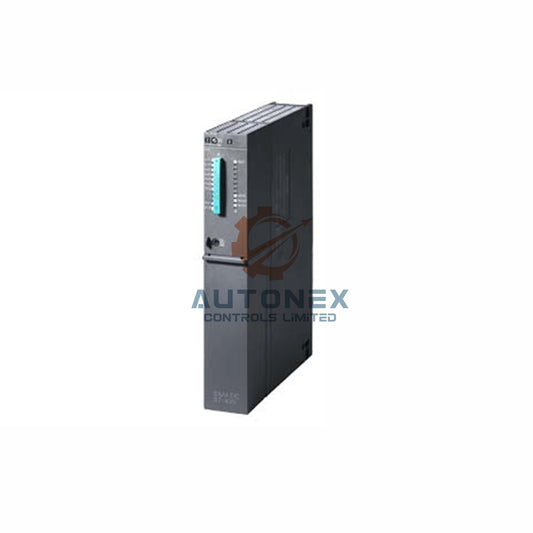
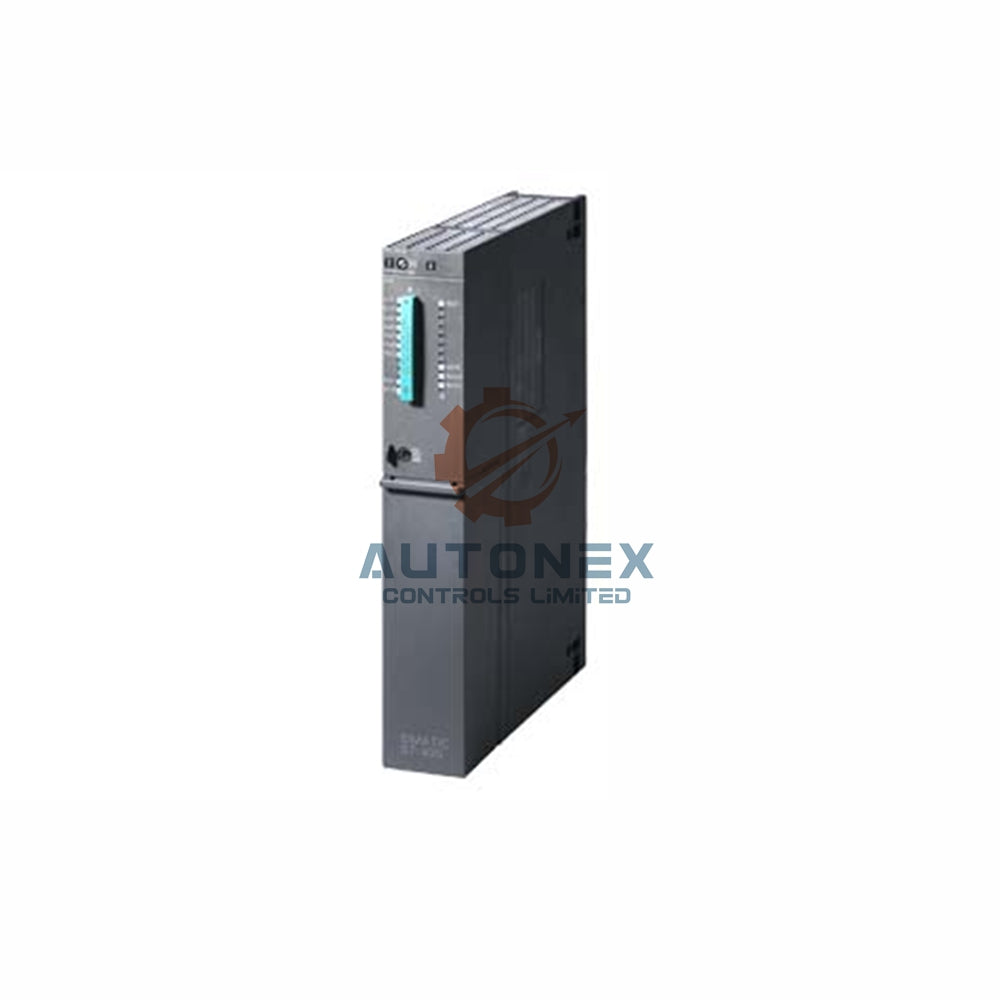
This technical guide explains a certified SIL3 solution for high-risk factory automation. It focuses on the 1756-OBV8S safety-rated output module. Engineers can use this device to deliver fail-safe control in critical processes.
Understanding the 1756-OBV8S Safety Capabilities
Compliance with Global Functional Safety Standards
The 1756-OBV8S is a safety-rated digital output module. It supports SIL3 per IEC 61508. The device also meets ISO 13849-1 PLe requirements. Therefore, it works perfectly for emergency stops and light curtains. This module provides eight testable safe outputs for demanding control systems.
Architecture Requirements for SIL3 Compliance
Redundant 1oo2 Configuration Ensures High Availability
You must use a redundant one-out-of-two (1oo2) architecture. Two 1756-OBV8S modules operate in parallel. Each output channel achieves a PFH below 1.0E-08 per hour. This setup prevents single-channel failures from creating hazards. As a result, the system maintains integrity even with one fault.
Wiring Best Practices for Safety Outputs
Dual-Channel Actuators and Noise Reduction Techniques
Connect each output to a dual-channel actuator or safety relay. Use shielded twisted-pair cables to lower electrical noise. The maximum output current is 2A per channel at 24V DC. Moreover, each output includes internal cross-fault detection. The module detects a short circuit between channels within 20ms. Always terminate unused channels with a 10kΩ resistor.

Programming with Studio 5000 Logix Designer
Safety Task Configuration and CRC Validation
Assign the module as a safety partner in the GuardLogix controller. Use the Safety Output (SO) instruction to manage each point. The safety task must run with a watchdog of 50ms or less. Additionally, implement end-to-end signal validation using CRC checks. The system verifies each output state every 100ms. Set test pulse widths to 1ms for load compatibility.
Diagnostic Coverage and System Response Times
Automatic Cross-Checks and Proof Test Intervals
The module performs automatic power supply cross-checks every cycle. It achieves a diagnostic coverage (DC) of 99% for short circuits. The average safe response time measures 40ms. For SIL3, the proof test interval is 20 years. However, we recommend an annual proof test for high-demand systems. After 10,000 operating hours, the module shows less than 0.1% degradation.
Validating the SIL3 Safety Function
Fault Injection Testing and Safe Failure Fraction
Perform a fault injection test on each output channel. Simulate a stuck-at fault to check the module's reaction. The output must de-energize within 50ms of a detected fault. Record all test data with a certified safety logic analyzer. SIL3 requires a safe failure fraction (SFF) above 99%. The 1756-OBV8S exceeds this with a measured SFF of 99.4%.
Real-World Application Example
Stamping Press Emergency Stop System
Consider a stamping press emergency stop system. Two 1756-OBV8S outputs control a redundant contactor pair. This setup achieves a mean time to dangerous failure (MTTFd) of 480 years. A typical machine runs 6,000 hours per year with zero hazardous events. Over three years, the failure rate per demand is less than 1.2E-05. This matches SIL3 requirements for continuous operation.
Maintenance and Proof Testing Guidelines
Partial Proof Test Every 12 Months
Schedule a partial proof test every 12 months. Inject a 200ms pulse into each output during the test. Verify that the actuator responds within 10% tolerance. Also, log all diagnostic codes from the module's status register. A rising temperature above 70°C reduces SIL coverage. Therefore, keep the chassis temperature below 60°C for full compliance.

Common Pitfalls to Avoid
Mixing Output Types and Cable Length Limits
Never mix safety outputs with standard outputs on the same module. Do not exceed 1.5A continuous current for SIL3 applications. Avoid using long cables over 30 meters without shielding. Furthermore, ensure the power supply has a 24V SELV rating. A missing feedback loop will invalidate the SIL3 certification. Always verify cross-circuit detection during commissioning.
Certifications and Documentation Needed
TÜV Rheinland Certificate and Hardware Traceability
Keep the TÜV Rheinland functional safety certificate on site. Also, retain the IEC 61508 part 2 compliance report. Each 1756-OBV8S ships with a unique hardware traceability code. Record this code in your safety manual. For audits, provide the last 5 years of diagnostic logs. Without these documents, the SIL3 claim is unsubstantiated.
Author Insights: Why SIL3 Matters in Modern Factories
Industrial automation increasingly demands higher safety integrity. In my experience, many engineers underestimate the value of diagnostic coverage. The 1756-OBV8S offers a robust path to SIL3 without excessive complexity. However, proper wiring and regular proof testing remain critical. As control systems evolve, we will see tighter integration between safety and standard PLC tasks. This module represents a reliable choice for today's smart factories.
Frequently Asked Questions (FAQ)
1. What is the maximum output current for SIL3 with the 1756-OBV8S?
For SIL3 applications, do not exceed 1.5A continuous current per channel. The module supports 2A but for lower risk use 1.5A.
2. Can I use a single 1756-OBV8S for SIL2 instead of SIL3?
Yes, a single module can achieve SIL2. For SIL3, you need the redundant 1oo2 architecture with two modules.
3. How often must I perform a proof test?
The standard allows a 20-year proof test interval. But for high-demand systems, perform an annual partial proof test.
4. What happens if the chassis temperature exceeds 60°C?
Above 60°C, the SIL coverage may degrade. Keep the temperature below 60°C for full compliance.
5. Does the module support cross-circuit detection?
Yes, each output includes internal cross-fault detection. It detects short circuits between channels within 20ms.
Contact Information
For inquiries about the 1756-OBV8S module or safety system design, please reach out:
Email: sales@nex-auto.com
WhatsApp: +86 153 9242 9628
Partner: NexAuto Technology Limited
Check below popular items for more information in AutoNex Controls

