

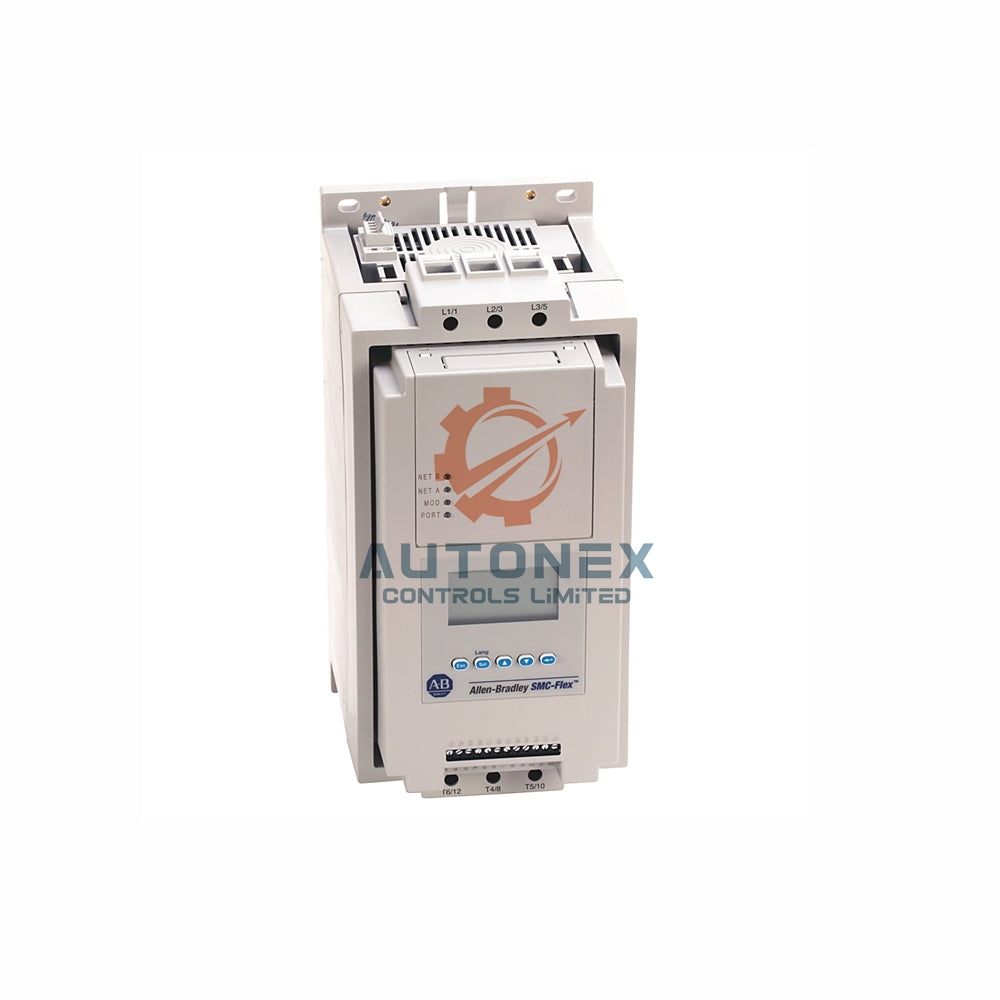
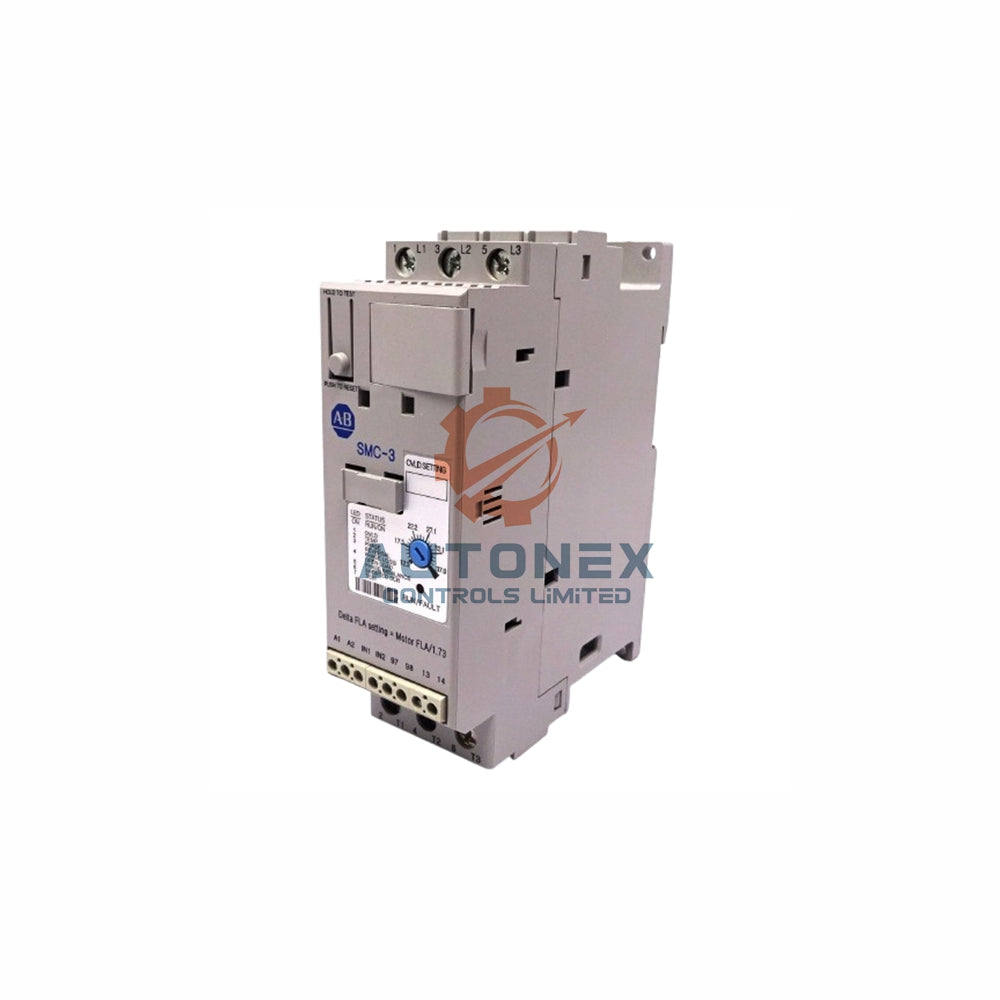
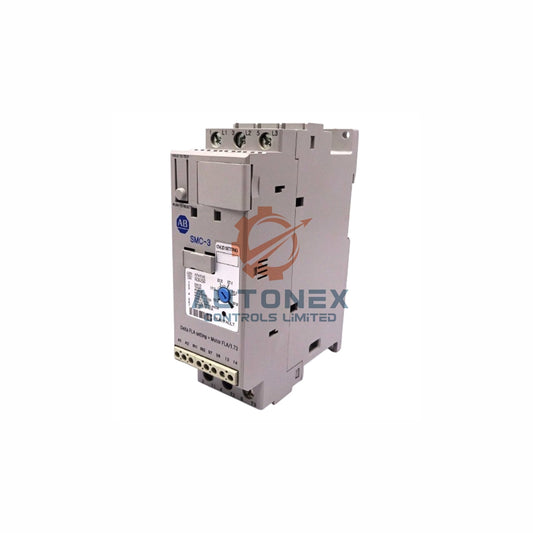
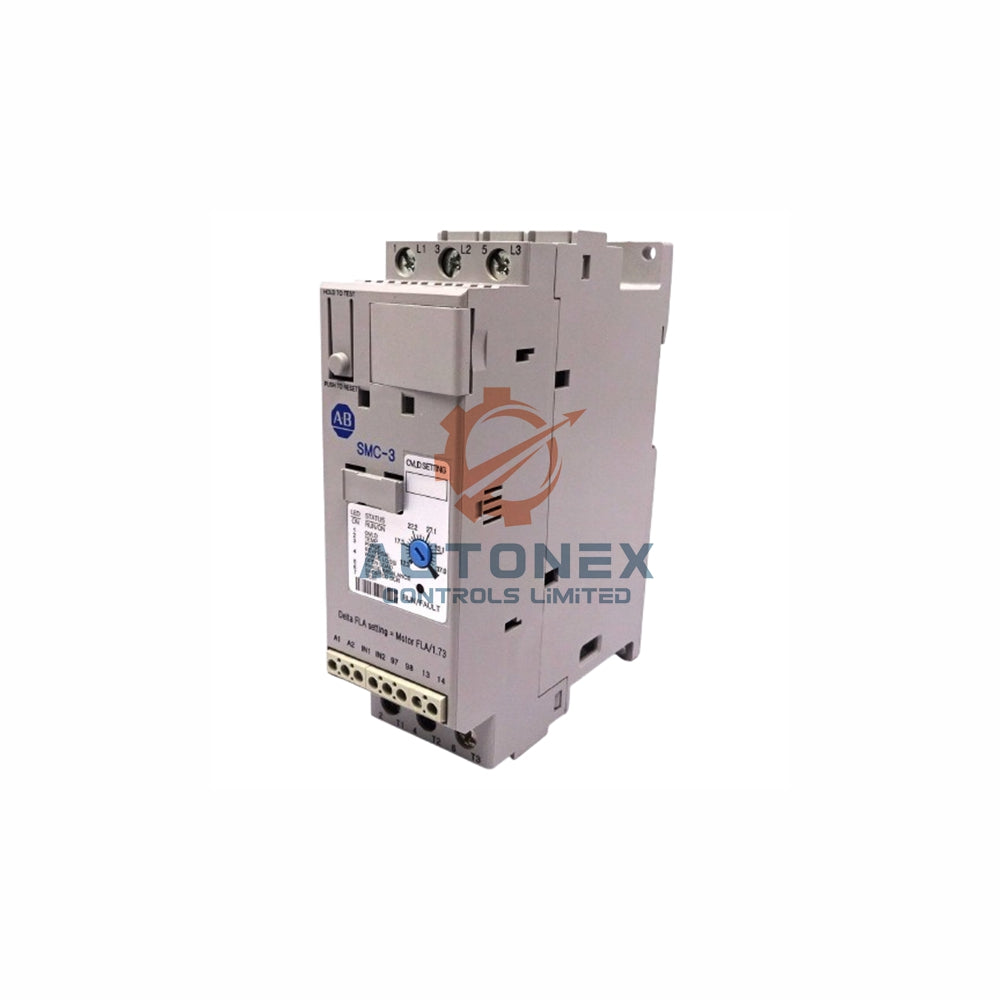


1769-L31 Silver Series мәртебесі: басқару инженерлері үшін көшу туралы түсініктер
Бұл техникалық шолу Allen-Bradley 1769-L31 бағдарламаланатын логикалық контроллерге (PLC) қатысты жаңартылған көзқарасты ұсынады. Ол өнімнің ескіріп қалуын басқаратын техникалық қызмет жетекшілері мен жүйе сәулетшілері үшін практикалық нұсқаулық болып табылады.
Silver Series санатының мағынасы
Rockwell Automation 1769-L31 контроллерін Silver Series санатына енгізді. Бұл компанияның бұл модельді әлем бойынша белсенді түрде насихаттамайтынын білдіреді. Дегенмен, шектеулі мөлшерде арнайы тарату желілері арқылы қолжетімді. Өндіріс желілері ресми түрде 2024 жылдың үшінші тоқсанында тоқтатылды. Сондықтан жаңа тапсырыстар әртүрлі аймақтардағы қолда бар қорларға тәуелді. Тарихи үрдістер Silver Series белгісі ресми Өмірлік циклдің аяқталу (EOL) хабарламасынан шамамен 24 ай бұрын қойылатынын көрсетеді. Сондықтан сала сарапшылары EOL мерзімін 2028 жылдың ортасына болжамдауда.
Өндірісті тоқтату: маңызды мерзімдер
Сатып алу тапсырыстарын қабылдаудың соңғы күні 2025 жылдың 31 желтоқсаны болды. Сонымен қатар, соңғы жеткізілімдер 2026 жылдың 30 маусымында қоймалардан шықты. Rockwell ішкі құжаттары жөндеу орталығының қолдауы 2028 жылдың желтоқсанына дейін аяқталатынын көрсетеді. Сондықтан жүйе интеграторлары бұл мерзімдерді шұғыл қарастыруы тиіс. Қазіргі индустриялық пайдаланушылардың шамамен 67 пайызы әлі де осы контроллер платформасын қолданады. Дегенмен, жаңа нысандар көбінесе CompactLogix 5380 сериясын таңдайды. Ескі контроллердің 2 мегабайт жады көлемі қазіргі IIoT жобаларына шектеу қояды. Сондықтан жаңа автоматтандыру жобалары үшін заманауи баламаларды қарастыруды ұсынамыз.
Өнімділік салыстыру: жаңа және ескі аппараттық құралдар
1769-L31 бастапқыда 30 Ethernet/IP түйінін және 256 I/O нүктесін қолдайды. Ал жаңа 5069-L306ER моделі 60 түйін мен 512 I/O нүктесін басқарады. Сонымен қатар, кейінгі аппараттық құралдар өңдеу жылдамдығын шамамен 300 пайызға арттырады. Қалыпты сканерлеу уақыты килобайтқа 0,8 миллисекундтан 0,25 миллисекундқа дейін қысқарады. Энергия тұтыну да соңғы буын компоненттерін қолданғанда 22 пайызға төмендейді. 1769-L31 үшін микробағдарламалық жаңартулар 24.011 нұсқасымен тоқтатылды. Сонымен қатар, Rockwell 2026 жылдың қаңтарынан кейін қауіпсіздік патчтарын шығармады. Нәтижесінде, киберқауіпсіздік тәуекелі жыл сайын шамамен 15 пайызға артады. Практикалық тұрғыдан бұл осалдық зауыттың IT бөлімшелерін көбірек алаңдатады.
Қосалқы бөлшектердің қолжетімділігі және нарықтық бағалар
Шынайы 1769-L31 бірліктері қазіргі уақытта екінші нарықта шамамен 40 пайызға қымбаттаған. Тексерілген жаңартылған қорлардың жеткізу мерзімі орташа есеппен 8–10 аптаға созылады. Бастапқы тізімдік бағасы 2020 жылы 1,850 АҚШ доллары болған. Қазіргі қайта сату бағалары шамамен 2,600 АҚШ долларына жақын. Ал ауыстыру моделі 5069-L306ER шамамен 2,150 АҚШ долларына сатылады. Сондықтан, шығын мен пайда есебі ескірген бірліктерді жөндеуден гөрі жаңартуды қолдайды. Солтүстік Америкадағы ірі дистрибьюторлардағы қор деңгейі 73 пайызға төмендеді. Нәтижесінде, сатып алу топтары өндірістік үзілістерді болдырмау үшін резервтік бірліктерді дереу қамтамасыз етуі керек.
Миграция жолдары мен ұсынылатын стратегиялар
Rockwell 1769-L31 платформасына арнайы құрылымдалған миграция құралдар жинағын ұсынады. Бұл пакет мұра бағдарламаларын Add-On Profile (AOP) жүйесі арқылы түрлендіреді. Дегенмен, күрделі рутиналардың шамамен 30 пайызы үшін қолмен код түзетулері қажет. Орташа көлемдегі жүйе үшін типтік миграция жобасы шамамен 120 инженерлік сағатты алады. Сонымен қатар, жаңа контроллер DLR (Device Level Ring) және CIP Safety протоколдарын қолдайды. Бұл мүмкіндіктер орнату кезінде кабель шығындарын шамамен 18 пайызға азайтады. Studio 5000 ортасы диагностиканы 45 пайызға жақсартады. Ерте қолданушылар жиі алты айлық инвестиция қайтарымын хабарлайды, бұл инвестицияны тартымды етеді.

Жалғастырудың операциялық тәуекелдері
Ескірген контроллерлерді пайдалану жыл сайын шамамен 28 пайызға жоспарланбаған тоқтап қалу тәуекелін арттырады. Сонымен қатар, рұқсат етілмеген жеткізушілерден алынған ауыстыру бөлшектерінің 12 пайызы істен шығады. Маңызды жүйелік ақаулар өндірістік шығындарды сағатына 5,000 долларға дейін жеткізуі мүмкін. Сондықтан зауыт басшылары сенімді тәуекелдерді азайту стратегияларын қабылдауы тиіс. Сенімді резервтік жоспарға дереу іске қосуға дайын ыстық резервтік блок кіруі керек. Сонымен қатар, барлық I/O сым сызбалары мен желі конфигурацияларын мұқият құжаттау ұсынылады. Бұл модельде 50,000 жұмыс сағатынан кейін ақау деңгейі екі есеге көбейеді. Сондықтан, алдын алу мақсатында ауыстыру реактивті қызмет көрсетуден қауіпсіз әрі үнемді.
Автоматтандыру мамандарына соңғы ұсыныстар
Миграция үшін бюджет бекіту процесін мүмкіндігінше тез бастауға кеңес береміз. Кейіннен 18 айға созылатын кезең-кезеңмен өтуге ресурстар бөлу қажет. Жаңа 5380 платформасында қызметкерлерді оқыту әдетте шамамен 16 сағатты талап етеді. Жаңа жүйе функциялық блок диаграммалары мен құрылымдық мәтін опциялары арқылы бағдарламалау күрделілігін азайтады. Соңында, жаңа жүйенің жалпы өмірлік цикл құны шамамен 25 пайызға төмендейді. Сондықтан, 1769-L31 өнімді мұра ретінде қарастыруға болады. Оның Silver Series мәртебесі белсенді қолдау мен дамудың аяқталғанын растайды. Бұл жаңартуды 2027 жылғы капиталдық шығындар жоспарыңызда басымдыққа алу ұсынылады.
Негізгі қорытындылардың қысқаша мазмұны
Қорытындылай келе, 1769-L31 өзінің соңғы коммерциялық кезеңіне енді. Silver Series классификациясы өнеркәсіптік басқару мамандары үшін ескіргендіктің айқын белгісі болып табылады. Барлық көрсеткіштер 2028 жылға дейін толық тоқтатуға нұсқайды. Қазіргі модельдермен салыстырғанда өнімділік айырмашылығы айтарлықтай және өсуде. Әсіресе, жаңа процессор үш есе жылдамырақ жұмыс істейді және мықтырақ қауіпсіздік мүмкіндіктерін ұсынады. Сондықтан көшу жоспарын дереу жасауға кеңес береміз. Техникалық мәліметтер үшін сұраныс бойынша қолжетімді егжей-тегжейлі көшіру ақ қағазын қараңыз.
Қолдану сценарийі: Автокөлік бөлшектерін өндіру зауыты
Автокөлік бөлшектерін өндіруші 1769-L31 негізіндегі жинақтау желісінің жиі істен шығуымен бетпе-бет келді. Олар Rockwell құралдар жиынтығын пайдаланып 5069-L306ER-ге көшуге шешім қабылдады. Жоба жоспарлаудан іске қосуға дейін 14 аптаға созылды. Жаңа жүйе сканерлеу уақытын 60 пайызға қысқартты және бұрынғы байланыс шектеулерін жойды. Нәтижесінде зауыт жалпы жабдық тиімділігін (OEE) 12 пайызға арттырды.
Шешім сценарийі: Азық-түлік және сусындар зауыты
Азық-түлік өңдеу зауыты 1769-L31-ді партиялық басқару үшін қолданды. Тәуекелдерді бағалағаннан кейін кезең-кезеңмен көшіруді жүзеге асырды. Контроллерді ауыстырып, қолданыстағы I/O инфрақұрылымын сәйкес адаптерлермен сақтады. Жаңа жүйе диагностикалық деректерді жақсартып, тазалау циклінің тоқтау уақытын азайтты. Жоба өзін 5 айда ақтады.

Жиі қойылатын сұрақтар (ЖҚС)
1. 1769-L31 үшін Silver Series мәртебесі нені білдіреді?
Бұл Rockwell белсенді маркетингті тоқтатқанын және өнімнің өмірлік кезеңінің соңына жақындап қалғанын білдіреді. Қолдау мен қолжетімділік шектеулі болуда.
2. Rockwell бұл контроллерге қолдауды қашан ресми түрде тоқтатады?
Ресми жөндеу қызметтері 2028 жылдың желтоқсанында аяқталады. Қауіпсіздік патчтары мен микробағдарламалық жаңартулар 2026 жылдың қаңтарында тоқтатылды.
3. 1769-L31-ді жаңа жобаларда қолдану әлі де қауіпсіз бе?
Жад шектеулері, киберқауіпсіздік тәуекелдері және жақсы баламалардың болуы себепті жаңа орнатуларда қолдануды ұсынбаймыз.
4. 5069-L306ER-ге көшудің негізгі артықшылықтары қандай?
Негізгі артықшылықтарға жылдамырақ өңдеу, жоғары I/O сыйымдылығы, энергияны аз пайдалану және CIP Safety мен DLR сияқты заманауи қауіпсіздік протоколдары кіреді.
5. Қалыпты көшіру жобасының инженерлік сағаттағы құны қанша?
Стандартты көшіру шамамен 120 инженерлік сағатты талап етеді, қосымша қызметкерлерді оқытуға шамамен 16 сағат қажет.
Сұрақтар бойынша біздің сату тобына sales@nex-auto.com мекенжайы арқылы немесе WhatsApp арқылы хабарласыңыз.
Серіктес NexAuto Technology Limited: https://www.nex-auto.com/
Толығырақ ақпарат алу үшін төмендегі танымал заттарды AutoNex Controls сайтынан қараңыз

