



IC693PWR321 Super Capacitor Aging: The Hidden Cause of Repeated Program Loss in GE Fanuc Series 90-30 PLC Systems
Industrial automation engineers frequently encounter a baffling issue with GE Fanuc Series 90-30 control systems. A CPU loses its program after every power cycle, even when a new battery is installed. This symptom often leads to a misdiagnosis of super capacitor aging. However, the real problem usually lies in memory retention architecture, battery circuit behavior, and non-volatile storage configuration. Understanding these factors is critical for reliable factory automation and control systems performance.
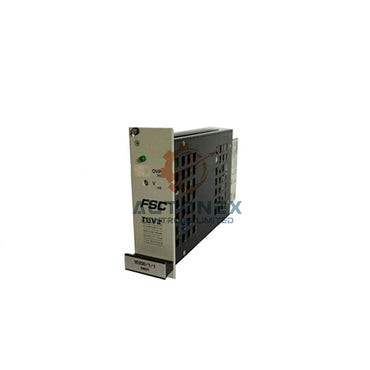
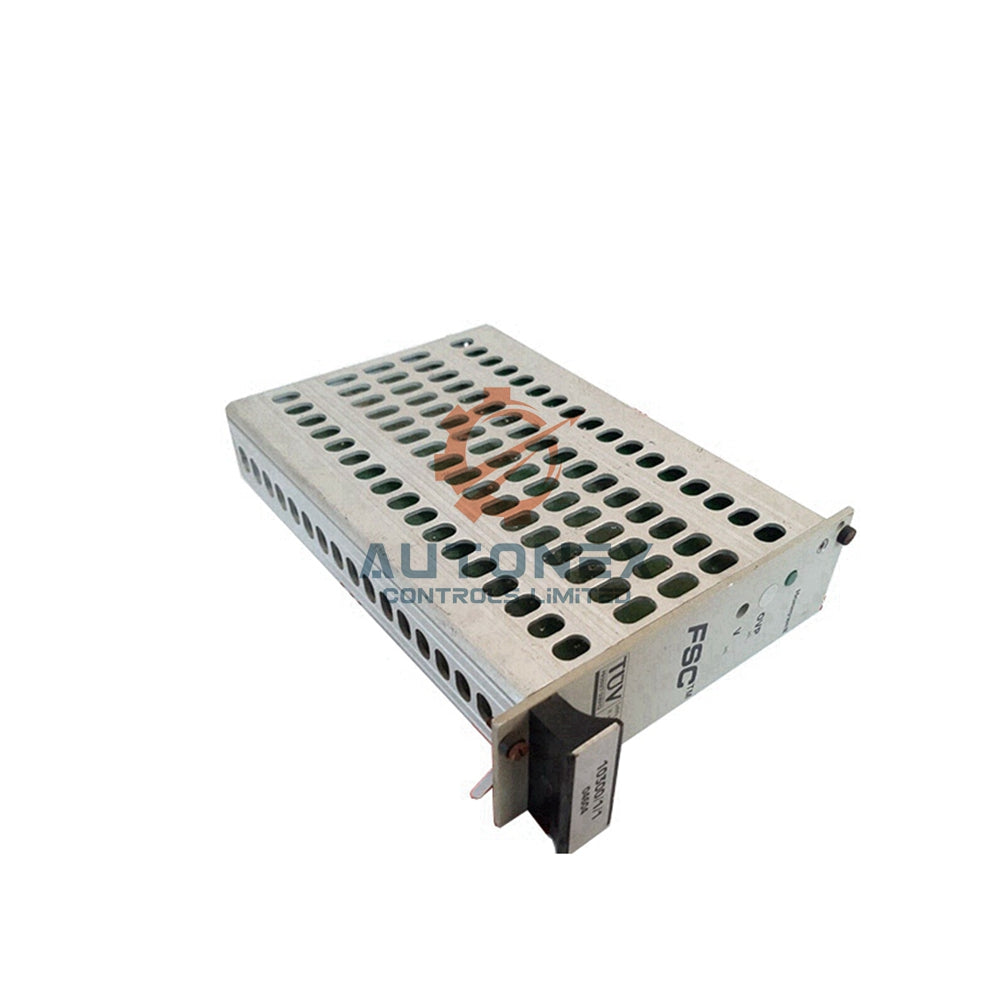
The True Function of the Super Capacitor in IC693PWR321
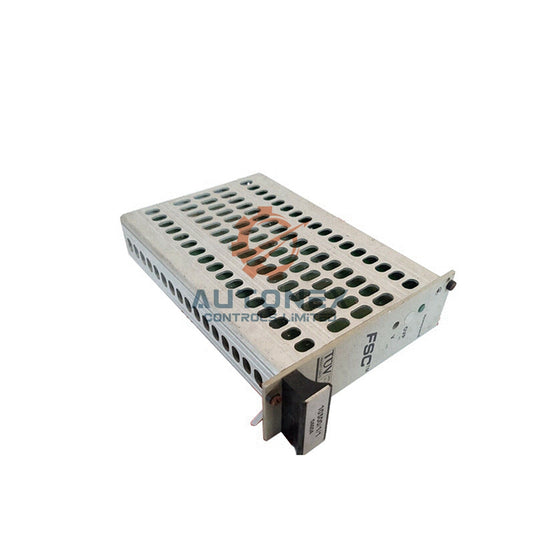
The super capacitor inside the IC693PWR321 power supply serves a limited but important role. It provides short-term power to CMOS RAM immediately after main power removal. This buffer allows the backup battery to take over without data interruption. According to technical documentation, this capacitor holds enough charge for 30 to 60 minutes on most CPU models. However, this duration shrinks significantly as the component ages. After years of service, hold time may drop to just 2 to 5 minutes. Therefore, if a technician removes power and waits too long to replace the battery, RAM contents vanish even with a perfectly good new battery. The super capacitor itself is rarely the root cause. Instead, the sequence of events and memory system configuration create the illusion of a failed capacitor.
Battery Voltage and the Loaded Discharge Trap in PLC Memory Backup
A battery measuring 3.1 volts on a multimeter is not actually good for memory backup. Lithium thionyl chloride cells possess an extremely flat discharge curve. They can show plausible open-circuit voltage while internal impedance has risen too high. Under the continuous microamp load of memory backup, terminal voltage collapses below the 2.0 to 2.4 volt data-retention threshold. The BATT LED on the power supply only illuminates when cell voltage falls below a coarse comparator, often around 2.7 volts. This means a failing battery can appear healthy while silently allowing memory corruption. For a 3.6 volt nominal cell, any reading below 3.4 volts should trigger mandatory replacement. A simple 1 kΩ load test that holds above 3.0 volts for 10 seconds provides a far more reliable assessment than a no-load voltage check.

RAM versus Flash Storage: The Configuration That Engineers Miss
The most overlooked cause of repeated program loss is the CPU startup source configuration. The Series 90-30 stores the working program in volatile RAM, which the battery maintains during power loss. However, many CPU models also contain internal Flash memory or accept a PROM device. If the CPU is configured to load from RAM only at startup, the program will vanish whenever RAM loses power. The correct configuration forces the CPU to load logic and configuration from Flash memory on every power-up. Engineers must explicitly download the program to Flash storage, not just to RAM. In Proficy Machine Edition or Logic Developer, the CPU properties contain a "Load from Flash" parameter that must be set to YES. Without this setting, even a perfect battery and a fresh super capacitor cannot prevent data loss. The program exists only in a volatile realm that depends entirely on backup power that is never guaranteed.
Backplane Connections and Series Resistance Failures in DCS and PLC Systems
Even with a healthy battery and correct configuration, the backup voltage must travel from the power supply through the backplane to the CPU's RAM circuits. Any oxidation, bent pin, or contamination on the backplane connector introduces series resistance. This resistance forces the battery to work harder to deliver the same backup current. Over time, the voltage arriving at the RAM may drop below the retention threshold. The IC693PWR321 occupies the leftmost slot of the baseplate and connects the battery circuit through the backplane to the CPU module. In modular systems, removing the CPU module disconnects the battery path entirely. A thorough inspection of all backplane connections is essential when program loss persists despite new batteries. Cleaning the edge connectors with appropriate contact cleaner and reseating modules firmly can resolve many intermittent retention failures.
Diagnostic Sequence for Persistent Program Loss in Industrial Control Systems
When facing repeated program loss, engineers should follow a logical diagnostic sequence. First, measure the battery under a small load, not just open-circuit voltage. Second, verify that the CPU startup source is configured to load from Flash memory. Third, inspect the backplane connectors for corrosion or damage. Fourth, confirm that the program was explicitly stored to non-volatile memory after the last edit. Finally, consider the environmental temperature. At 50°C ambient, internal component temperatures can exceed 70°C, accelerating capacitor aging and semiconductor degradation. Power supplies operating above their thermal limits may produce voltage sag during power loss events, corrupting memory before backup engages. The super capacitor is merely one component in a chain of dependencies. Blaming it alone ignores the more common failure modes of battery impedance, configuration errors, and connection resistance.
Preventive Measures for Critical Series 90-30 Installations
Reliable program retention requires a multi-layered approach. Install a high-capacity battery such as the IC693ACC312, which provides approximately 20% longer life than the standard IC693ACC301. Configure the CPU to load from Flash memory on every startup. Perform battery replacements while the PLC remains powered, using the dual connector pins on the power supply to attach the new battery before removing the old one. This technique maintains RAM power continuously and eliminates reliance on the super capacitor. Maintain current program backups on external media and verify their integrity periodically. For systems in high-temperature environments, reduce cabinet temperature below 40°C and consider proactive power supply replacement after 10 to 15 years of service. These measures address the actual root causes of program loss rather than chasing the super capacitor as a lone suspect.
Application Case and Solution Scenario
Consider a automotive assembly line using a GE Fanuc 90-30 PLC for conveyor control. The CPU lost its program every time maintenance switched off the panel. The team replaced the battery twice with no success. After following the diagnostic sequence, they discovered the CPU was set to load from RAM only. They also found slight oxidation on the backplane connector. After cleaning the connector and enabling "Load from Flash," the problem disappeared. This case highlights how factory automation professionals must look beyond the super capacitor. A systematic approach saves time and prevents unplanned downtime in critical control systems.

Frequently Asked Questions (FAQ)
Q1: Can a new battery still cause program loss in a GE Fanuc 90-30 PLC?
Yes. A new battery may show correct open-circuit voltage but fail under load. High internal impedance prevents it from delivering the tiny current needed for RAM backup. Always test the battery under a small load.
Q2: How long does the super capacitor in IC693PWR321 actually hold memory?
When new, it holds memory for 30 to 60 minutes. After years of aging, this duration drops to 2 to 5 minutes. Therefore, you must replace the battery quickly after power removal.
Q3: What is the correct CPU startup configuration to prevent program loss?
Set the CPU to load from Flash memory on every power-up. In Proficy Machine Edition, set the "Load from Flash" parameter to YES. Also download the program to Flash, not just RAM.
Q4: Why do backplane connections matter for memory retention?
The backup battery voltage travels through the backplane to the CPU RAM. Oxidation or bent pins add series resistance. This resistance drops the voltage below the retention threshold, causing memory loss.
Q5: How can I extend battery life in high-temperature industrial environments?
Keep cabinet temperature below 40°C. Use a high-capacity battery like IC693ACC312. Replace the power supply proactively after 10 to 15 years. These steps reduce thermal stress on all components.
Contact Information
For inquiries, please contact us:
Email: sales@nex-auto.com
WhatsApp: +86 153 9242 9628
Partner NexAuto Technology Limited : https://www.nex-auto.com/
Check below popular items for more information in AutoNex Controls
