









Как ИИ и IoT переопределяют промышленную автоматизацию и рост рынка
Интеграция искусственного интеллекта (ИИ) с Интернетом вещей (IoT) уже не является футуристической концепцией, а представляет собой текущий драйвер промышленной трансформации. Известное как AIoT, это слияние создает более умные и отзывчивые системы, которые необходимы для современной цифровизации и автоматизации. В этом анализе рассматриваются ключевые рыночные тенденции, технологические компоненты и практические применения, формирующие эту динамичную область.
Рост рынка и ключевые факторы внедрения AIoT
Рынок ИИ в IoT быстро расширяется, подпитываемый глобальной цифровой трансформацией. Основными факторами роста являются широкое развертывание подключенных датчиков и стратегический переход к Индустрии 4.0. В результате растет спрос на платформы, способные предоставлять интеллектуальную аналитику из огромных потоков данных, генерируемых этими устройствами.
Значительной тенденцией является переход от облачных моделей к периферийному интеллекту. Обработка данных ближе к источнику снижает задержки и использование пропускной способности, что критично для промышленных приложений в реальном времени. Кроме того, решения для предиктивного обслуживания становятся стандартной инвестицией для минимизации простоев и оптимизации жизненного цикла активов. Согласно отраслевому анализу, этот рынок прогнозируется вырасти с примерно 93 млрд долларов США в 2025 году до около 173 млрд долларов к 2035 году, демонстрируя сильный и устойчивый среднегодовой темп роста.

Основные компоненты мощной экосистемы AIoT
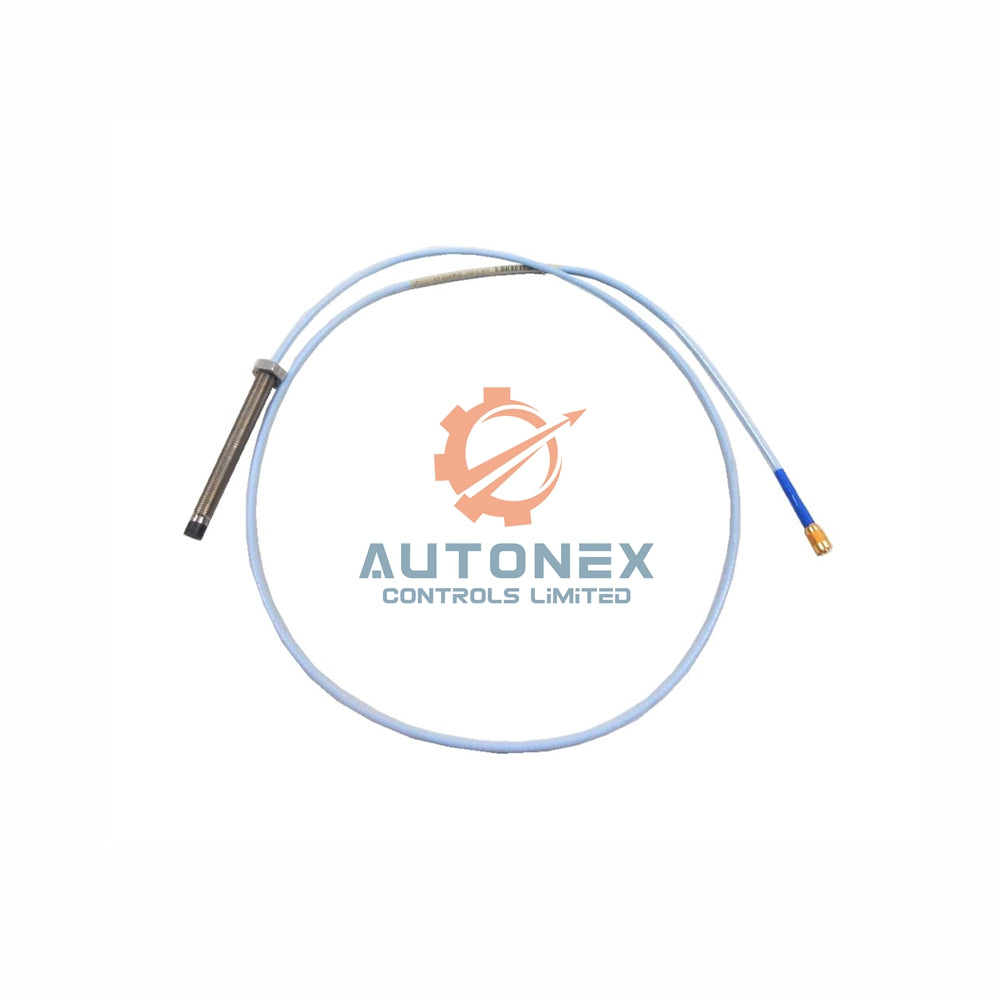
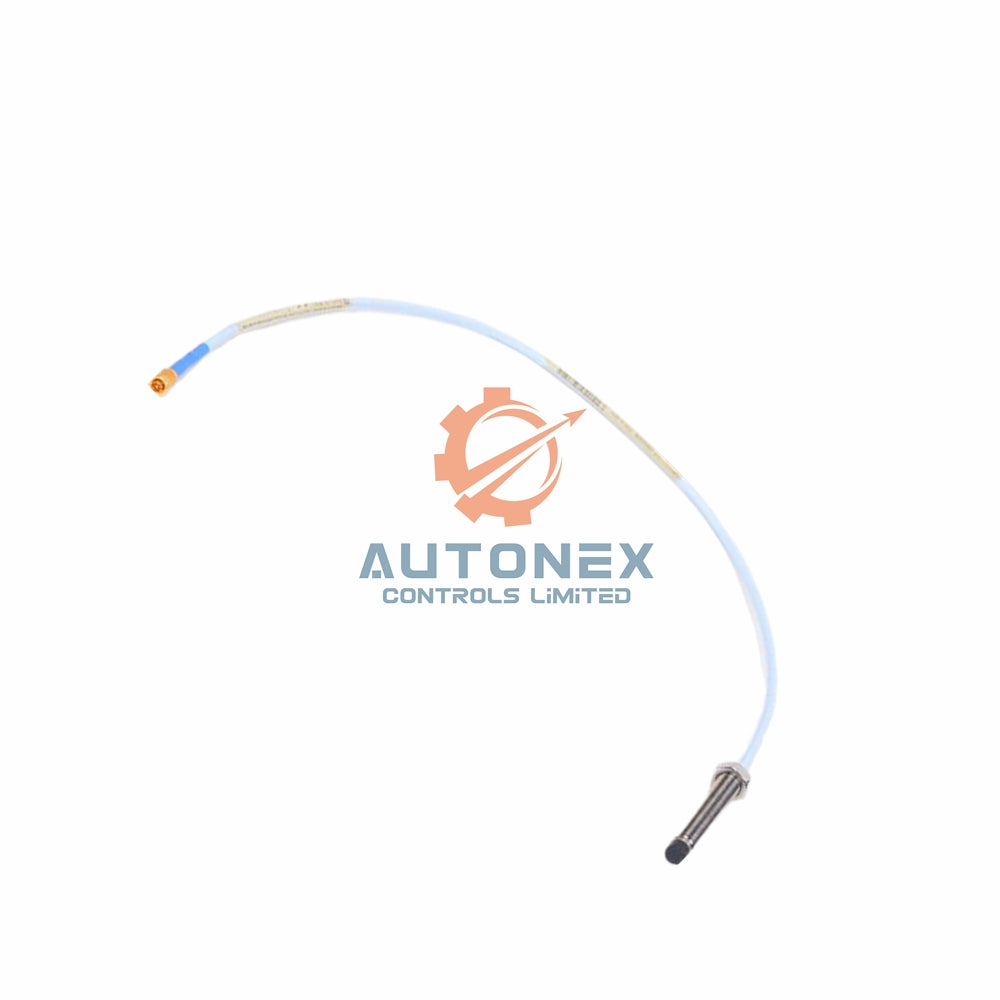
Функциональная система AIoT опирается на несколько взаимосвязанных уровней. Во-первых, сеть IoT-датчиков и устройств выступает в роли цифровой нервной системы, собирая данные в реальном времени о всем — от вибрации машин до условий окружающей среды. Далее надежное подключение через 5G или LPWAN обеспечивает надежную передачу этих данных к вычислительным узлам.
Истинная сила, однако, заключается в алгоритмах и моделях ИИ. Машинное обучение и глубокое обучение анализируют входящие потоки данных для выявления закономерностей, прогнозирования сбоев и автоматизации управления. Наконец, важна гибридная вычислительная архитектура. В то время как облачные платформы обрабатывают масштабный исторический анализ, периферийные вычислительные узлы обеспечивают низкую задержку обработки, необходимую для принятия решений непосредственно на производственном уровне.
Критические применения, трансформирующие ключевые отрасли
Практические применения AIoT приносят измеримую отдачу от инвестиций в различных секторах. В производстве и промышленной автоматизации это позволяет реализовать предиктивное обслуживание. Датчики контролируют состояние оборудования, а модели ИИ прогнозируют сбои до их возникновения, предотвращая дорогостоящие незапланированные простои. Это краеугольный камень умного завода.
В логистике AIoT улучшает управление автопарком и оптимизацию маршрутов. Подключенные транспортные средства и активы предоставляют данные о местоположении и состоянии в реальном времени, а алгоритмы ИИ динамически планируют наиболее эффективные маршруты, экономя топливо и время. Для умной инфраструктуры AIoT автономно управляет энергопотреблением в зданиях, балансируя комфорт и эффективность. В здравоохранении носимые устройства контролируют жизненные показатели пациентов, а ИИ обеспечивает раннее предупреждение о возможных проблемах со здоровьем, позволяя проводить проактивное лечение.
Стратегическая важность ИИ в сетях IoT
По мере масштабирования сетей IoT до тысяч устройств ручное управление данными становится невозможным. ИИ необходим для автоматизации анализа больших данных, превращая сырую информацию в действенные инсайты. Он повышает надежность системы, обеспечивая быстрое обнаружение аномалий и автоматические корректирующие действия, переводя операции из реактивного режима в проактивный.
Кроме того, ИИ укрепляет безопасность IoT. Он постоянно мониторит сетевой трафик для выявления и нейтрализации необычных паттернов, которые могут сигнализировать о киберугрозах. Этот многоуровневый интеллект позволяет организациям эффективно масштабировать развертывания IoT, управляя возросшей сложностью без линейного увеличения операционных затрат или рисков.

Будущие тенденции и перспективы отрасли
Будущее AIoT направлено на повышение автономности и интеллекта. Мы увидим рост числа цифровых двойников на базе ИИ — виртуальных копий физических активов, позволяющих проводить моделирование, тестирование и оптимизацию без нарушения реальных операций. Кроме того, достижения в области генеративного ИИ могут позволить системам IoT создавать отчеты, предлагать оптимизации и взаимодействовать на естественном языке.
Развертывание сетей 5G станет значительным катализатором, обеспечивая скорость и надежность, необходимые для критически важных промышленных IoT-приложений. Отрасль явно движется к созданию самообучающихся автономных экосистем, стимулирующих непрерывное совершенствование. Компании, которые стратегически интегрируют эти технологии, получат значительное конкурентное преимущество в эффективности и инновациях.
Часто задаваемые вопросы (FAQ)
В1: Какова основная выгода от добавления ИИ в системы IoT?
О1: Основная выгода — интеллектуальная автоматизация. ИИ превращает IoT из простого инструмента сбора данных в систему, способную анализировать информацию, прогнозировать результаты и самостоятельно принимать решения, значительно повышая эффективность и проактивное управление.
В2: Как периферийные вычисления меняют архитектуру AIoT?
О2: Периферийные вычисления обрабатывают данные на локальных устройствах или шлюзах рядом с источником. Это снижает задержки при отправке всех данных в облако, обеспечивая аналитику в реальном времени и немедленные действия, что важно для чувствительных к времени промышленных систем управления и безопасности.
В3: Безопасен ли AIoT для критически важных промышленных операций?
О3: Безопасность — приоритет. Надежная реализация AIoT включает ИИ для обнаружения угроз в сети, в сочетании с аппаратными модулями безопасности, зашифрованной связью и строгим контролем доступа для защиты критических операционных технологий (OT).
В4: Какой практический первый шаг для производителя по внедрению AIoT?
О4: Начните с целевого пилотного проекта, например, предиктивного обслуживания на одной критически важной производственной линии. Установите датчики для мониторинга ключевых параметров, используйте ИИ для анализа данных на предмет признаков сбоев и измерьте сокращение незапланированных простоев, чтобы подтвердить окупаемость перед масштабированием.
В5: Как 5G повлияет на будущее AIoT?
О5: 5G будет трансформирующим фактором. Его сверхнизкая задержка и высокая плотность устройств поддержат более сложные, работающие в реальном времени AIoT-приложения, такие как синхронизированное управление мобильной робототехникой, улучшенная дополненная реальность для полевого обслуживания и бесшовные крупномасштабные сети датчиков.
Ниже представлены популярные товары для дополнительной информации на Autonexcontrol

