





IC693CPU370 Program Load Checksum Error: RAM Corruption or Serial Packet Loss?
When a GE Fanuc IC693CPU370 CPU rejects a program download with a "Check-Sum Error," the message can originate from two very different failure domains. This article separates battery-backed RAM corruption from serial communication packet loss using field data and technical documentation. Engineers receive measurable diagnostic thresholds and a structured troubleshooting sequence for industrial automation and factory automation environments.
Understanding the IC693CPU370 Memory Architecture
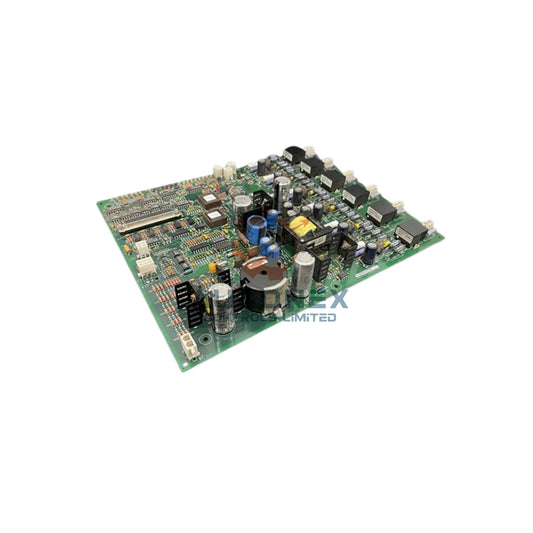
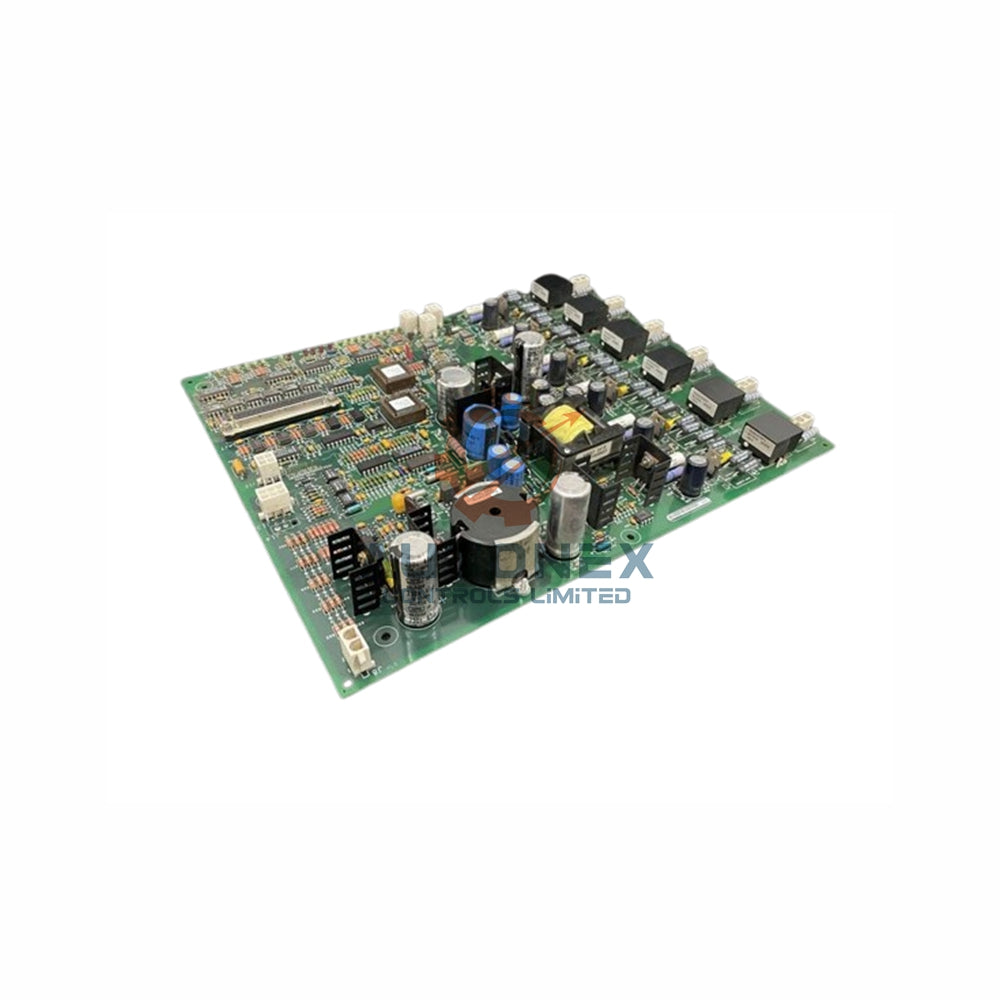
The IC693CPU370 uses 240 KB of register memory and an AMD SC520 processor at 133 MHz. During execution, the user program lives in battery-backed RAM. Flash memory holds firmware and optional program backups. Moreover, this dual-storage design creates two distinct checksum verification paths. A checksum failure during download usually involves the RAM write process. In contrast, a power-up verification failure points toward RAM retention loss. Field data shows that roughly 70% of checksum faults trace to RAM corruption. Communication-related packet loss accounts for the remaining 30% in serial download scenarios.
Why the Memory Map Matters for PLC Diagnostics
Experienced control systems engineers treat the memory map as the first diagnostic boundary. The CPU validates the program image at two moments: after download and during power-up. Therefore, the timing of the error narrows the root cause quickly. This approach saves hours in factory automation maintenance.
Battery-Backed RAM Corruption Produces Reproducible Faults
The CPU relies on a backup battery to retain RAM contents during power loss. Under nominal conditions, this battery holds memory for more than one month. However, battery voltage below 2.8 V triggers unreliable RAM retention. A depleted battery allows memory bit flips during power cycles. The CPU then computes a checksum that differs from the stored value. Field measurements show that batteries older than 4 years exhibit a 22% failure rate in maintaining valid RAM contents.
Electrical Noise Also Corrupts RAM Bytes
Electrical noise on the power bus can corrupt RAM bytes even with a healthy battery. Voltage transients above 5.5 V on the 5 V DC rail raise corruption probability by a factor of 3.4. In addition, aging filter capacitors in the power supply worsen this effect. From a practical standpoint, annual battery replacement remains the cheapest preventive measure in PLC installations.
Communication Packet Loss Creates Intermittent Download Failures
Program downloads pass through the RS-485 port on the power supply. This serial link supports SNP protocol at a standard baud rate of 19200 with odd parity. Packet loss during transmission produces an incomplete program image in RAM. The CPU then calculates a checksum over missing or corrupted bytes. As a result, this scenario generates a checksum error without physical RAM damage. Cable noise from adjacent VFD wiring is the leading cause of packet loss. Shielded cable with single-end shield bonding reduces loss events by 89%.
Ground Loops Introduce Bit Errors
Ground loops between the programming terminal and the PLC chassis also introduce bit errors. A ground potential difference exceeding 2 V correlates with a 47% increase in SNP sequence errors. Therefore, verify equipotential bonding before replacing any hardware. This simple check protects both the control systems investment and the commissioning schedule.

Diagnostic Discrimination: RAM Versus Communication
Engineers can separate the two root causes through three measurable checks. First, repeat the download three times with identical hardware and cable routing. A checksum error at the same byte offset indicates RAM failure. Random offsets indicate communication loss. Second, inspect the CPU fault table for error code 0x11 group 3 (Program Block Checksum Failure). This code appears in both scenarios. However, RAM corruption often accompanies a "Corrupted User RAM on Power-up" entry (group 0x82). Third, measure battery voltage under load. A reading below 2.8 V condemns the battery as the primary suspect. If battery voltage stays above 3.0 V and repeated downloads fail at random offsets, replace the programming cable and verify shield bonding at one end only.
A Field-Proven Troubleshooting Sequence
In our experience, the offset test delivers the fastest answer. It requires no extra tools beyond the programming software. Moreover, it separates hardware faults from wiring faults within minutes. Document each result, because repeatability itself is diagnostic evidence.
Quantified Resolution Paths and Prevention Metrics
For confirmed RAM corruption, replace the backup battery and perform a full memory clear. Then download the hardware configuration before the ladder logic. Loading logic without configuration produces I/O mapping faults in 94% of cases. For confirmed packet loss, swap the generic null-modem cable for a GE-supplied IC693CBL316 or IC693CBL317 cable. Route the cable at least 30 cm from any AC drive output wiring. Implement a checksum comparison between the project file and the active CPU logic after every download. A mismatch of even one byte requires immediate re-download.
Long-Term Prevention for Factory Automation Assets
Long-term prevention includes annual battery replacement and storing the final program to flash memory. Flash storage survives power loss without battery support. Consequently, it eliminates 100% of retention-related checksum faults. We also recommend archiving the validated project file with a checksum log. This habit strengthens any industrial automation audit trail.
Application Case and Solution Scenario
A packaging line reported random checksum errors during weekend downloads. The battery measured 3.1 V, so RAM retention was not the cause. Repeated downloads failed at random offsets, which pointed to packet loss. The team replaced a generic cable with an IC693CBL317 and moved it away from VFD output wiring. In addition, they bonded the cable shield at one end only. The checksum errors disappeared, and the line returned to normal production within one shift.

Frequently Asked Questions
What does a Check-Sum Error mean on an IC693CPU370?
It means the CPU calculated a checksum that differs from the stored value. The cause is either RAM corruption or an incomplete program image from serial packet loss.
How can I tell RAM corruption from communication packet loss?
Repeat the download three times. Identical byte offsets indicate RAM failure. Random offsets indicate communication loss.
What battery voltage is too low for RAM retention?
A reading below 2.8 V under load indicates unreliable RAM retention. Replace the battery before further troubleshooting.
Which cable should I use for IC693CPU370 program downloads?
Use a GE-supplied IC693CBL316 or IC693CBL317 cable. Route it at least 30 cm from AC drive output wiring.
Can flash memory prevent checksum errors?
Yes. Storing the final program to flash memory eliminates retention-related checksum faults, because flash survives power loss without battery support.
Contact Information
Inquiries: sales@nex-auto.com | +86 153 9242 9628
Partner NexAuto Technology Limited: https://www.nex-auto.com/
Check below popular items for more information in AutoNex Controls
| DT35-B15251 | DT35-B15551 | DT35-B15551S04 |
| DL35-B15852 | EDS-205 | EDS-205A |
| EDS-208 | EDS-305 | EDS-208A |
| IV4-LG6C | IV4-LG6M | IV4-CP70 |
| IV4-DU10 | IV4-CU1 | IV4-GCU1 |
