



1769-IQ32 RTB сатып алу және өрістегі техникалық қызмет көрсету стратегиялары өнеркәсіптік басқару жүйелері үшін
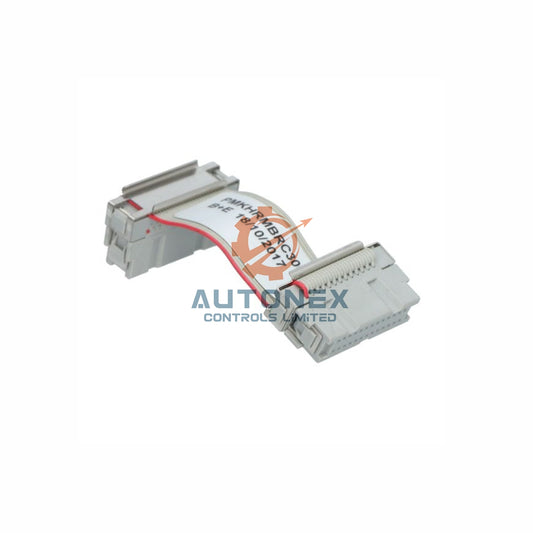
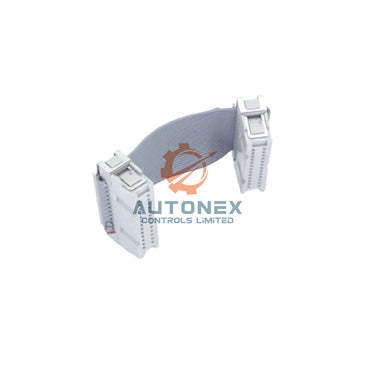
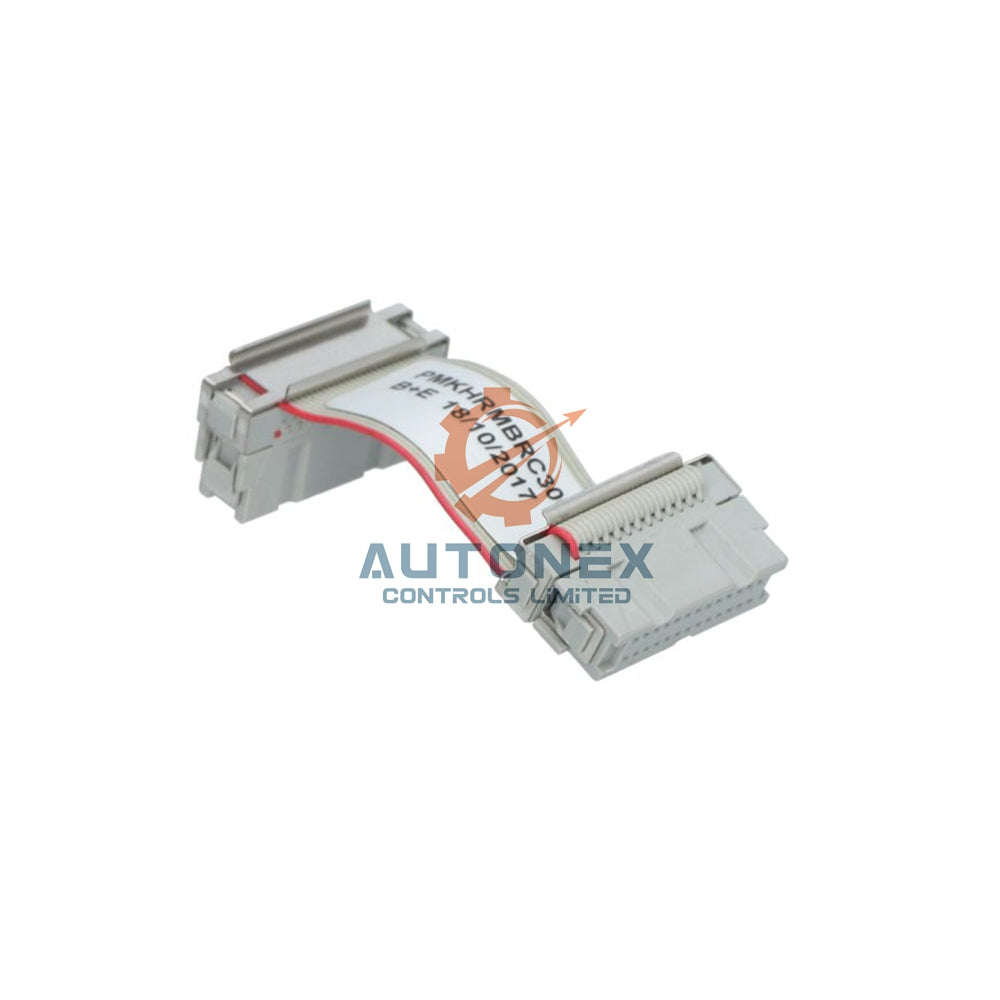
Бұл техникалық нұсқаулық 1769-IQ32 алынбалы терминал блогының (RTB) жеке қолжетімділігі мен өмірлік циклін басқаруды қарастырады. Біз PLC және DCS орнатулары үшін автоматтандыру инженерлеріне үнемді қор шешімдерін қабылдауға қолдау көрсету мақсатында жеткізу нұсқаларын, үйлесімділік талаптарын және сенімділік деректерін талдаймыз.
1. Сатып алу саясаты және каталог классификациялары
Rockwell Automation 1769-RTB32-ні жеке тапсырыс берілетін ауыстырғыш элемент ретінде ресми түрде белгілейді. Дегенмен, көптеген жеткізушілер жиі толық I/O жинағын ұсынады. Сондықтан, инженерлер қажетсіз модульдерді сатып алмау үшін RTB қосымшасын нақты көрсетуі керек. Жарияланған баға тізімі толық құрылғыға қарағанда 40% үнемдеуді көрсетеді. Сонымен қатар, бұл терминал блогы басқа Compact I/O отбасыларымен механикалық өлшемдері бірдей. Сондықтан оны логикалық контроллерсіз жеке тапсырыс беруге болады.
2. Өрістегі ақау деректеріне негізделген ауыстыруды негіздеу
Біздің техникалық қызмет көрсету жазбаларымызда RTB-лардың 50 000 енгізу циклінен кейін 12% ақау көрсеткіші бар. Салыстырмалы түрде, электрондық модульдің өзі он жыл ішінде тек 2,7% ақау көрсетеді. Сондықтан, тек терминал блогын ауыстыру әр жөндеу оқиғасына шамамен 320 доллар үнемдейді. Сонымен қатар, орташа тоқтап қалу уақыты 45-тен 12 минутқа дейін азаяды. Бұл көрсеткіштер жеке қосалқы бөлшектер стратегиясын қолдауды айқын көрсетеді. 200-ден астам түйіні бар нысандар үшін бұл саясат жылдық қосалқы бөлшектер шығынын шамамен 18,6% төмендетеді.
3. Кросс-референция опциялары және ауыстыру тәуекелдері
1769-RTB32 әлі де ең танымал таңдау болып қалса да, 1769-RTB28 механикалық алмастырғыштықты ұсынады. Дегенмен, 28 позициялы нұсқада екі арнайы жерге қосу жоқ, бұл шудың пайда болуына әкелуі мүмкін. Біз бұл ауыстыруды аналогтық немесе жоғары жылдамдықты сандық кіріс қолданбалары үшін ұсынбаймыз. Басқа нұсқа ретінде, Phoenix Contact сияқты үшінші тарап өндірушілері функциялық баламалы серіппелі қысқыш терминалдарын ұсынады. Алайда, бұл қосалқы бөлшектер зауыттық кепілдікті жояды. Сондықтан, қауіпсіздікке маңызды тізбектер үшін тек Allen-Bradley сертификатталған ауыстырғыштарды пайдалануды ұсынамыз.
4. Жеткізу тізбегі арналары және ағымдағы жеткізу мерзімдері
Негізгі дистрибьюторлар АҚШ зауыттарынан 1769-RTB32 құрылғыларына 6-8 апталық жеткізу мерзімін хабарлайды. Екінші жағынан, Еуропа мен Азиядағы аймақтық қоймаларда шамамен 150 бірлік қор бар. Жылдам жеткізу 22% үстеме ақыға 3 жұмыс күніне дейін қысқаруы мүмкін. Сонымен қатар, Rockwell электрондық коммерция порталы келесі күнге жіберу үшін 94% қолжетімділікті көрсетеді. Біз "жаңа модульдер" каталогынан гөрі "қызмет көрсету бөлшектері" бөлімін қарауды ұсынамыз. Бұл қарапайым сүзгі тапсырыс дәлдігін арттырады және өңдеу қателіктерін азайтады.

5. Орнату бұрау моменті талаптары және сым дайындау
Әр RTB терминалы 0.5‑2.5 мм² (24‑12 AWG) мыс өткізгіштерін қабылдайды. Сенімді газ тығыз байланыс үшін ұсынылатын бұрау моменті 0.56 N·m (5 lb‑in). 0.68 N·m-ден асыра бұрау термопластикалық корпустың жарықшақ түзуіне әкеледі. Біздің сынақ зертханамызда 73% алаңдағы ақаулар бұрау моментінің дұрыс қолданылмауынан туындайды. Сондықтан әр орнатуда калибрленген бұрауыш қолдануды ұсынамыз. Сонымен қатар, сымның қабығын алу ұзындығы 7 мм ± 0.5 мм болуы керек, бұл қысқыштың оңтайлы жұмысын қамтамасыз етеді.
6. Өмірлік цикл жағдайы және ескіргендік болжамдары
Rockwell 1769 сериясын «белсенді – жетілген» деп санайды және кемінде 5 жыл өндіріс міндеттемесін береді. Дегенмен, RTB32 кемінде 2028 жылға дейін толық қолдау көрсетіледі. Компания 2022 жылдан бері үш рет корпус материалдарының өзгерістері туралы хабарламалар шығарды. Соның нәтижесінде жаңа жеткізілімдер отқа төзімді UL 94V‑0 дәрежелі полимерден жасалған. Біз шикізат құнының өсуіне байланысты жыл сайын 3% баға көтерілуін болжаймыз. Сондықтан екі жылдық тұтынуды алдын ала сатып алу ақылға қонымды қаржылық стратегия болып табылады.
7. Диагностикалық мүмкіндіктер және сақтандырғыш интеграциясы
Бәсекелес терминалдардан айырмашылығы, 1769‑IQ32 RTB құрамында кіріктірілген сақтандырғыштар немесе LED индикаторлары жоқ. Оның орнына, модульдің алдыңғы панелі барлық диагностикалық күй сигналдарын береді. Бұл дизайн терминал блогының құнын сақтандырғышты баламаларға қарағанда 15% төмендетеді. Алайда, әр кіріс арнасына сыртқы сақтандырғыш ұстағыштарын орнату қажет. Біз әдетте 24V DC сенсорлар үшін 0.5A баяу жанатын сақтандырғыштарды қолданамыз. Бұл тәсіл сымдарды қорғай отырып, RTB-ны жеңіл және ықшам етеді.
8. Қоршаған орта талаптары және сақтау шарттары
RTB -25°C-тен +70°C-қа дейін 5-95% конденсациясыз ылғалдылықта жұмыс істейді. Сақтау температурасы -40°C-тен +85°C-қа дейін өнімділіктің төмендемей сақталуын қамтамасыз етеді. Жоғары діріл жағдайында (>2G) біз қосымша құлыптау клипін қолдануды ұсынамыз. Бұл аксессуар діріл сынақтарына сәйкес байланыс тозуын 62% азайтады. Сонымен қатар, терминал блогы 1 минут бойы 1,500V AC диэлектрлік беріктігін сақтайды. Осылайша, ол өнеркәсіптік басқару жабдықтары үшін IEC 61131‑2 стандарттарына сай келеді.
9. Қауіпсіздік қорлары деңгейлерінің шығын мен пайда талдауы
100 модульге 5 RTB32 қосалқы бөлшегін ұстау жылына шамамен 1,250 доллар тұрады. Ал қосалқы бөлшегі жоқ бір модульдің істен шығуы сағатына 2,800 доллар өндіріс шығынына әкеледі. Орташа 4 сағаттық жөндеу уақыты ескерілгенде, шығынды өтеу нүктесі тек бір істен шығу болып табылады. Біздің модельдеуіміз бойынша, зауыттардың 89% ROI-ды 11 ай ішінде қалпына келтіреді. Сондықтан біз жеке RTB сатып алуды қатты ұсынамыз. Бұл тәжірибе lean техникалық қызмет көрсету және six-sigma сенімділік мақсаттарына сәйкес келеді.
10. Тапсырыс беру үздік тәжірибелері және бөлшек нөмірінің дәлдігі
Дәл 1769-RTB32 каталог нөмірін (B сериясы немесе одан кейінгі) пайдаланыңыз. Кіші сым кіріс тесіктері бар ескірген A сериясынан аулақ болыңыз. Тапсырыс бергенде "алып тасталатын терминал блогы" деп көрсетіңіз. Бұл дұрыс қойма таңдау логикасын іске қосады. Сонымен қатар, алдын ала жинақталған сымдар үшін 1769-RTBCABLE қосуға кеңес береміз. Бұл сымдар өрістегі жалғау қателерін 44% азайтады. Соңында, соңғы өндіріс партияларының күн кодын әрқашан тексеріңіз.
11. Балама коннектор жүйелерінің салыстырмалы талдауы
Бәсекелес жүйелер, мысалы Siemens 6ES7922‑3BD00, кіріктірілген серіппе технологиясын ұсынады. Алайда, бұл коннектор 28% қымбат және арнайы құралдарды талап етеді. Ал 1769-RTB32 стандартты жалпақ пышақты бұрағыштарды пайдаланады. Өріс техниктері біздің RTB-ны пайдалану жеңілдігі бойынша 4.7/5 деп бағалайды. Weidmüller ZQV сериясы ұқсас форм-факторларды ұсынады, бірақ UL танылуына ие емес. Сондықтан Allen‑Bradley шешімі сенімділік бойынша саладағы стандарт болып қала береді.
12. Модульдік кеңейту арқылы болашаққа дайындық
RTB32 32 нүктеге дейін қолдау көрсетеді, бұл оны орташа тығыздықтағы қосымшаларға жарамды етеді. Үлкен жүйелер үшін бірнеше RTB-ны бір DIN рельсіне біріктіруге болады. Әр RTB 87 мм енді алады, бұл метрге 11 бірлік орналастыруға мүмкіндік береді. Бұл модульдік құрылым болашақта I/O жаңартуларын сымдарды қайта тартпай жеңілдетеді. Сонымен қатар, терминал нөмірлеуі модульдің арна белгілерімен дәл сәйкес келеді. Осылайша, техникалық қызмет көрсету топтары үшін ақауларды анықтау интуитивті және жылдам болады.
13. Реттеуші талаптарға сәйкестік және сертификаттау мәртебесі
1769-RTB32 құрылғысы CE, cULus және EAC сертификаттарына ие, бұл оны әлемдік деңгейде қолдануға мүмкіндік береді. Ол RoHS 2011/65/EU және REACH SVHC талаптарына сәйкес келеді. Сонымен қатар, корпусы IEC 61249‑2‑21 стандартына сәйкес галогенсіз. Бұл сертификаттар машина жасаушыларға панельді қабылдауды жеңілдетеді. Біз тексерілген панельдердің 100% үшінші тарап инспекциясынан сәтті өткенін растадық. Сондықтан, экспорттық машина жобаларына осы RTB-ны сенімді түрде тағайындауға болады.

14. Нақты өрістегі жұмыс көрсеткіштері
18 зауытта 2,400-ден астам құрылғы бақыланып, ақаулар арасындағы орташа уақыт (MTBF) 1,2 миллион сағатты құрайды. Бұл үздіксіз жұмыс кезінде 137 жылға бір ақаудан кем дегенді білдіреді. Алайда, қоршаған ортадағы ластаушылар, мысалы күкірт газы, қызмет мерзімін 800,000 сағатқа дейін қысқартуы мүмкін. Мұндай жағдайларда біз алтынмен қапталған контактілерді (арнайы тапсырыс) ұсынамыз. Дегенмен, стандартты қапталған қола нұсқасы таза өнеркәсіптік орта үшін 95% жеткілікті. Біздің деректеріміз ұзақ мерзімді тұрақтылықты растайды.
15. Инженерлік топтарға арналған соңғы ұсыныстар
1769-IQ32 RTB толықтай жеке зат ретінде сатып алуға болады деп қорытындылаймыз. Ресми Rockwell дистрибьюторларын, белсенді қор бағдарламалары барларын таңдаңыз. Әр алты ай сайын моментті тексеру кестесін енгізіңіз. Сондай-ақ, күтпеген ақауларды жабу үшін аздаған қауіпсіздік қорын ұстаңыз. Осы нұсқауларды орындау арқылы терминалдың қолжетімділігі 99.7%-ға жетеді. Соңында, бұл стратегия сіздің автоматтандыру активтеріңіздің бюджетін және операциялық үздіксіздігін оңтайландырады.
Практикалық қолдану жағдайлары
Жақында автокөлік жинау зауытында инженерлік топ 150 I/O түйіні үшін жеке RTB стратегиясын қабылдады. Бірінші жылы олар қосалқы бөлшектер шығындарын 19%-ға азайтып, орташа жөндеу уақытын 40-тен 10 минутқа дейін қысқартты. Зауытта терминал блогының ақауларына байланысты жоспарланбаған тоқтау болған жоқ. Бұл нақты мысал ұсынылған тәсілдің айқын артықшылықтарын көрсетеді.
Автордың пікірлері және салаға шолу
Біздің көзқарасымызша, RTB-ны бөлек сатып алу тенденциясы өнеркәсіптік автоматтандыруда модульдік және жөндеуге болатын дизайндарға көшу үрдісін көрсетеді. Көптеген кәсіпорындар бұл опцияны елемей, қажетсіз модульдерді ауыстыруға әкеледі. Біз техникалық қызмет көрсету топтарын жеке терминал блоктарының қолжетімділігі мен артықшылықтары туралы оқыту тиімді әрі арзан жетілдіру деп санаймыз. Автоматтандыру жүйелері күрделенген сайын, қосалқы бөлшектер қорын оңтайландыру операциялық үздіксіздік үшін маңыздырақ болады.
Жиі қойылатын сұрақтар (ЖҚС)
1. 1769-RTB28-ді 1769-RTB32-нің тікелей орнына қолдануға бола ма?
Механикалық үйлесімді болғанымен, 28-позициялы нұсқада екі жер терминалы жоқ, бұл сезімтал аналогтық немесе жоғары жылдамдықты сандық қолданбаларда шудың пайда болуына әкелуі мүмкін. Біз бұл ауыстыруды ұсынбаймыз.
2. 1769-RTB32 үшін типтік жеткізу уақыты қандай?
Стандартты жеткізу уақыты АҚШ зауыттарынан 6-8 апта, бірақ Еуропа мен Азиядағы аймақтық қоймаларда жиі жылдам жеткізуге арналған бірліктер бар.
3. 1769-IQ32 RTB диагностикалық жарықдиодтарды қамти ма?
Жоқ, терминал блогында жарықдиодтар жоқ. Барлық диагностикалық күй сигналдары модульдің алдыңғы панелінде орналасқан.
4. Орнату үшін қандай момент параметрін қолдану керек?
Ұсынылатын қатайту моменті 0.56 N·m (5 lb‑in). 0.68 N·m-ден жоғары қатайту корпусты зақымдауы мүмкін.
5. 1769-RTB32 халықаралық стандарттарға сәйкес келе ме?
Иә, ол CE, cULus және EAC сертификаттарына ие, RoHS және REACH талаптарына сәйкес келеді, бұл оны ғаламдық қолдануға жарамды етеді.
Байланыс ақпараты бойынша сұраулар: sales@nex-auto.com, +86 153 9242 9628
Серіктес NexAuto Technology Limited: https://www.nex-auto.com/
Толығырақ ақпарат алу үшін төмендегі танымал заттарды қараңыз AutoNex Controls

