


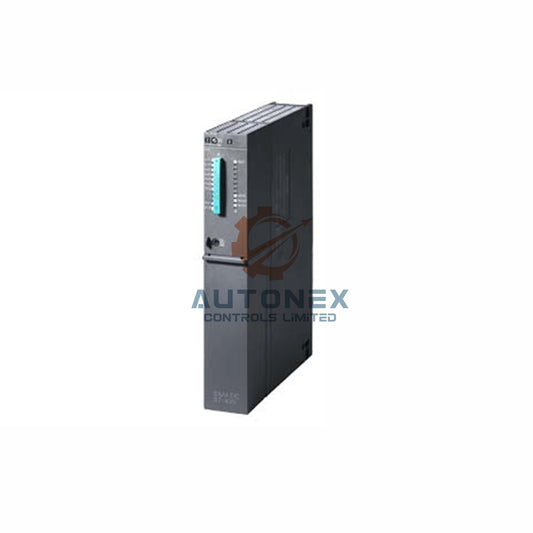
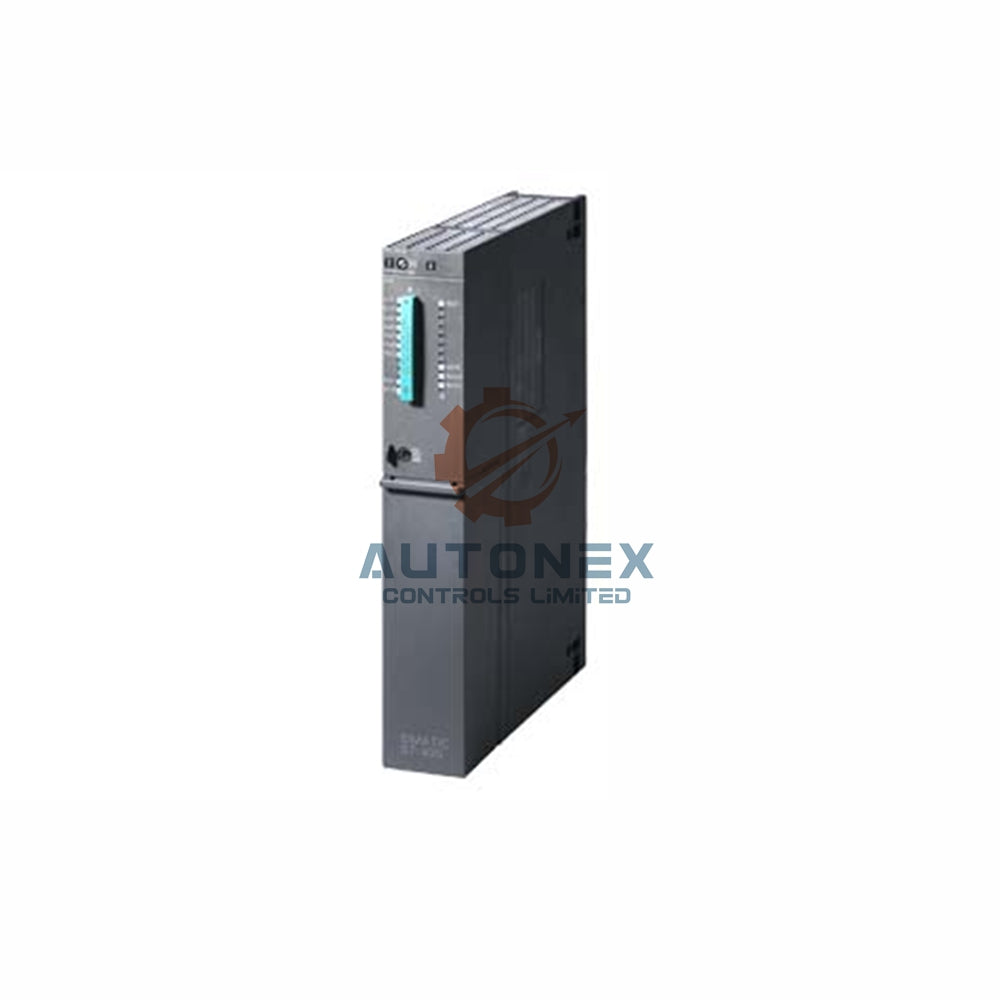


El valor estratégico no aprovechado de los sistemas de automatización heredados
Las conversaciones sobre manufactura moderna priorizan la tecnología de punta. La inteligencia artificial, la robótica avanzada y las redes IIoT integrales dominan los titulares. Sin embargo, este enfoque pasa por alto una realidad industrial crucial. Muchas líneas de producción dependen de hardware antiguo y confiable. Esta dependencia crea un desafío significativo conocido como el Dilema de la Obsolescencia. Los fabricantes eliminan el soporte para componentes aún vitales para las operaciones diarias. En consecuencia, los gerentes de planta enfrentan presiones costosas para actualizar. Ver estas partes heredadas como simples pasivos es un error estratégico. Con una gestión adecuada, se convierten en activos valiosos. Aseguran el tiempo de actividad, reducen el desperdicio y permiten una transición rentable hacia una manufactura más inteligente.
Por qué los sistemas de control heredados siguen siendo indispensables
Comprender el papel continuo del hardware antiguo requiere examinar las limitaciones del mundo real. Factores económicos y operativos justifican su uso sostenido en instalaciones modernas.
El verdadero costo de una renovación completa del sistema
Reemplazar un sistema de control completo implica gastos ocultos sustanciales. El costo inicial del hardware suele ser mínimo en comparación. Una migración completa desencadena varios impactos financieros. La producción debe detenerse para la instalación y puesta en marcha, costando miles por hora. Los ingenieros deben reescribir y depurar la lógica de PLC o DCS de décadas de antigüedad para nuevas plataformas. Además, el personal operativo necesita una capacitación integral. Por lo tanto, actualizar una máquina puede interrumpir toda una línea. Reemplazar un solo módulo fallido es frecuentemente más económico. Si el equipo cumple con los objetivos de producción, una renovación digital completa puede ofrecer un retorno de inversión pobre.

Confiabilidad Comprobada en Aplicaciones Críticas
En sectores como generación de energía o tratamiento de agua, la estabilidad es innegociable. La "curva de la bañera" de la ingeniería de confiabilidad explica esta preferencia. Los componentes nuevos corren riesgo de fallas tempranas por defectos. Los PLCs heredados que han operado durante años están bien más allá de esta fase de mortalidad infantil. Su rendimiento es predecible y probado en entornos específicos. Un controlador de veinte años en una planta automotriz es una cantidad conocida. Para infraestructuras críticas, este historial probado supera las ventajas teóricas de sistemas nuevos no comprobados. La confianza se construye sobre un rendimiento documentado y a largo plazo.
Desarrollo de un Plan Proactivo de Gestión de Obsolescencia
Confiar en componentes heredados exige un enfoque estratégico, no reactivo. Una gestión efectiva protege la continuidad de la producción.
Cambio de Mantenimiento Reactivo a Proactivo
Esperar a que una pieza falle antes de buscar un reemplazo es increíblemente costoso. El tiempo de inactividad en industrias como la farmacéutica o automotriz resulta en una gran pérdida de ingresos. Una estrategia superior implica auditorías proactivas. Los equipos deben catalogar todo el equipo instalado y detectar riesgos de fin de vida útil. Posteriormente, pueden asegurar repuestos críticos antes de que ocurran escaseces. Esto requiere socios más allá del OEM original, especialmente para familias de productos descontinuados. Establecer relaciones con distribuidores especializados es crucial para la resiliencia de la cadena de suministro.
Adquisición de Componentes Heredados Auténticos
El mercado secundario de piezas para automatización industrial es esencial. Sin embargo, la adquisición requiere una rigurosa evaluación de proveedores. Criterios clave separan a los socios confiables de los riesgosos. Siempre verifique sus protocolos de prueba; las pruebas adecuadas de carga y funcionalidad son obligatorias. Una garantía sólida, típicamente de 12 meses, refleja confianza en la calidad de la pieza. Además, una política clara de devoluciones es esencial. Empresas como NexAuto Technology Limited ofrecen acceso a estos componentes excedentes verificados. Esto asegura compatibilidad y fiabilidad para sus sistemas de control.
Integración de Hardware Heredado con Industria 4.0
Mantener equipos antiguos no significa rechazar la innovación. Las soluciones híbridas cierran eficazmente la brecha entre lo antiguo y lo nuevo.
Actualización para Conectividad de Datos
Puede modernizar máquinas heredadas sin reemplazar los controladores centrales. Las pasarelas industriales edge sirven como un puente perfecto. Estos dispositivos se conectan a puertos seriales antiguos como RS-485 en PLCs heredados. Luego convierten los datos a protocolos modernos como OPC UA o MQTT. Este método de "envolver y extender" extrae datos valiosos sobre el rendimiento de la máquina. Por lo tanto, los fabricantes obtienen información sobre la eficiencia y las necesidades de mantenimiento predictivo. Es un punto de entrada de bajo riesgo y alto valor hacia la digitalización de la automatización de fábricas.
Apoyando los Objetivos de Sostenibilidad
Extender la vida útil de la maquinaria se alinea con la responsabilidad ambiental corporativa. Fabricar nueva electrónica consume energía y recursos significativos. Desechar sistemas de control funcionales contribuye a los residuos electrónicos globales. Al mantener y reparar sistemas existentes, las empresas participan en la economía circular. Esta práctica maximiza la utilidad de los recursos embebidos. Combina sabiduría financiera con objetivos de sostenibilidad, mejorando la reputación de la marca.
Aplicación Práctica: Un Caso de Modernización Híbrida
Considere una línea de embotellado de principios de los 2000 con PLCs heredados. El sistema mecánico está en buen estado, pero la gerencia quiere análisis de producción. Una actualización completa del sistema de control sería prohibitivamente costosa y disruptiva. La solución implica instalar un gateway edge en la red. Este dispositivo recopila datos de los PLCs existentes vía un protocolo heredado. Luego transmite métricas clave—OEE, tiempos de ciclo, temperaturas de motores—a un panel en la nube. Como resultado, la planta obtiene visibilidad en tiempo real sin alterar la lógica de control confiable. Este proyecto típicamente se amortiza en meses gracias a las ganancias de eficiencia identificadas.

Perspectiva del Autor: Una Estrategia de Automatización Equilibrada
El impulso implacable por la tecnología "más nueva" puede ser una distracción. La verdadera excelencia operativa proviene del equilibrio estratégico. Los sistemas heredados proporcionan estabilidad y rendimiento predecible que forman la base de la producción. Las nuevas herramientas IIoT y AI ofrecen capas de optimización y conocimiento. Los fabricantes más exitosos combinan inteligentemente ambos. Protegen sus activos operativos centrales mientras añaden capacidades digitales de forma incremental. Este enfoque por fases gestiona el riesgo y el gasto de capital eficazmente. Respeta lo probado mientras adopta con cautela lo prometedor.
Preguntas Frecuentes (FAQ)
P1: ¿Es confiable usar componentes de automatización industrial reacondicionados?
R: Sí, si se adquieren de distribuidores certificados. Los proveedores reputados realizan pruebas rigurosas, como burn-in y validación funcional, y ofrecen garantías sustanciales, asegurando que la integridad de las piezas iguala o supera los estándares OEM.
P2: ¿Cuándo deberíamos finalmente actualizar un sistema de control heredado?
R: Actualice cuando el costo total de propiedad (incluyendo tiempo de inactividad, mantenimiento y piezas escasas) supere el costo de un sistema nuevo. Monitoree el Tiempo Medio Entre Fallos (MTBF) y la disponibilidad de piezas como indicadores clave.
P3: ¿Pueden los PLCs heredados comunicarse con software MES o SCADA moderno?
R: Absolutamente. Usando convertidores de protocolo o gateways edge, los datos de PLCs y DCS heredados pueden integrarse en software moderno vía OPC UA, MQTT o APIs REST, permitiendo conectividad completa.
P4: ¿Dónde podemos encontrar documentación técnica para piezas descontinuadas?
R: Los distribuidores especializados en automatización industrial suelen mantener archivos extensos de hojas de datos, manuales y diagramas de cableado para componentes obsoletos, que son esenciales para la resolución de problemas e integración.
P5: ¿Cómo apoya el mantenimiento de sistemas heredados los objetivos de sostenibilidad (ESG)?
A: Reduce los desechos electrónicos (e-waste) y la huella de carbono asociada con la fabricación de nuevos equipos. Extender la vida útil de los activos es un principio fundamental de la economía circular, alineado con los criterios ambientales, sociales y de gobernanza.
Conclusión
La excelencia estratégica en la fabricación no se define solo por tener la tecnología más reciente. Se logra mediante un enfoque inteligente y equilibrado de los activos. Los componentes de automatización heredados ofrecen una estabilidad y rentabilidad inigualables. Cuando se gestionan de manera proactiva con socios confiables, garantizan una producción continua. Al integrarlos con soluciones modernas de IIoT, desbloquea mejoras basadas en datos. Este camino pragmático asegura tanto su producción actual como su potencial de innovación futura. Audite su estrategia de repuestos hoy para proteger sus operaciones mañana.
Para consultas sobre la adquisición de componentes de automatización industrial heredados, sistemas de control o soluciones de integración:
Contacto: sales@nex-auto.com | +86 153 9242 9628
Socio: NexAuto Technology Limited
Consulte a continuación los artículos populares para más información en AutoNex Controls

