



The Critical Role of Redundant Fiber in Modern Industrial Networks
In the realm of industrial automation, ensuring continuous operation is paramount. System architects frequently deploy redundant fiber optic infrastructure to eradicate single points of failure. This strategy guarantees that communication remains seamless even if the primary data path is compromised. Specifically, the 1756-CPR2 module is instrumental in Rockwell Automation's ControlLogix environment. It establishes robust fiber links between controllers and remote I/O racks. By implementing redundancy, facilities can approach 99.999% network availability, a crucial factor in minimizing expensive downtime, particularly in continuous processing industries. Furthermore, optical fiber provides exceptional resistance to electromagnetic interference (EMI) and supports significantly greater transmission spans compared to conventional copper wiring.
Decoding the 1756-CPR2 ControlNet Repeater Module
Officially designated as a ControlLogix fiber-optic ControlNet repeater, the 1756-CPR2 is engineered to broaden and add redundancy to ControlNet networks. This module seats directly into a 1756 chassis. It connects to coaxial media via a BNC connector, converting electrical signals into light pulses for transmission. The unit features standard duplex LC fiber connectors for its optical interfaces. It accommodates both multimode and single-mode fiber types, depending on the installed SFP. With multimode fiber, reliable communication can extend up to 2 kilometers. Alternatively, employing single-mode fiber pushes this distance to approximately 15 kilometers, making it ideal for sprawling industrial complexes or mining operations.
Multimode vs. Single-Mode Fiber for the 1756-CPR2
Selecting inappropriate fiber cabling can drastically impair network performance. Therefore, you must first decide between multimode and single-mode fiber. Multimode is typically the choice for shorter distances within a single plant, utilizing LED or VCSEL sources with a larger core diameter. Common grades like OM3 and OM4 support higher bandwidth applications. For instance, OM3 fiber manages 300 meters at 10 Gigabit speeds, while OM4 extends this reach to 550 meters. For the 1756-CPR2, duplex cables are non-negotiable because one fiber transmits data and the other receives it. Always ensure the cable ends feature LC duplex connectors to match the module's ports perfectly.
Designing Physically Diverse Routes for True Redundancy
A single duplex cable does not constitute a truly redundant fiber run. For genuine physical path redundancy, you should install two separate fiber cables. Alternatively, a single multi-fiber trunk can be used, provided the individual fibers are routed diversely. The primary objective is to guarantee that a single excavation incident cannot sever both communication paths. Each separate path then carries one leg of the redundant ControlNet ring. For installations subject to stress, it is wise to choose cables with robust internal strength members. For outdoor applications, armored and gel-filled cables are essential to block moisture ingress. As a result, armored cables can often withstand crushing forces up to 2,200 pounds per inch, preserving long-term signal integrity.

Managing Connector Types and Optical Loss Budgets
The 1756-CPR2 relies on LC connectors, the standard for small-form-factor transceivers. Consequently, all your patch cords and trunk cables must terminate with LC connectors. Strict adherence to a calculated loss budget is vital for error-free data transmission. You must compute the maximum allowable insertion loss for the entire link, factoring in connectors, splices, and the fiber cable itself. Typically, multimode connections have a loss budget near 0.5 dB per mated pair. Single-mode connectors are often more stringent, specified at 0.3 dB or lower per pair. Ultimately, the total link loss must stay within the optical power budget of the chosen SFP transceivers, which for multimode is often in the range of 7 to 10 decibels.
Selecting Durable Cabling for Harsh Industrial Settings
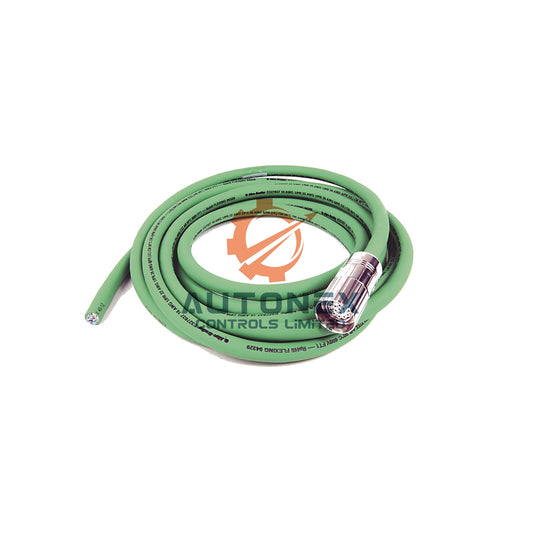
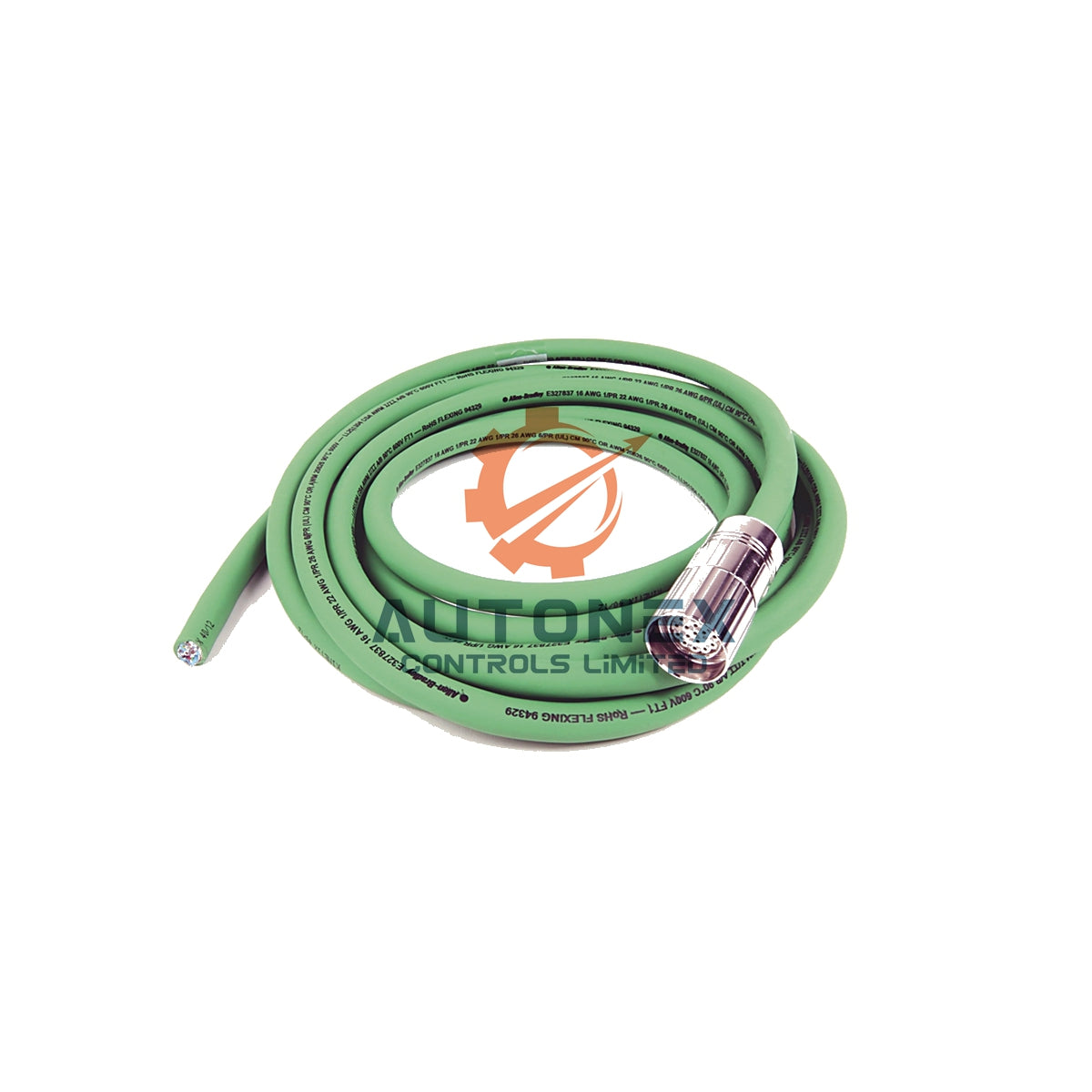
Industrial environments expose cables to extreme temperatures, corrosive chemicals, and physical wear. Therefore, standard office-grade patch cords are entirely unsuitable for the factory floor. For installation in cable trays, you should opt for cables with a plenum or riser rating. In areas exposed to oil or coolant, a specialized oil-resistant outer jacket is necessary. For example, polyurethane (PUR) jacketed cables offer high resistance to abrasion and industrial fluids. They also endure continuous flexing and temperature extremes from -40°C to +80°C. For direct burial scenarios, cables featuring corrugated steel tape armor are indispensable, as this construction prevents fiber breakage over the system's lifespan.
Expert Installation Practices for Resilient Links
Proper installation is just as critical as component selection. Always route your primary and secondary fiber paths in physically separate conduits to prevent a single incident from cutting both redundant links. Maintaining the correct bend radius during installation is crucial to avoid micro-bending losses; the minimum bend radius is typically ten times the cable's diameter. During pulling, limit tension to 50 pounds or less to prevent stress on the fibers. After installation, test every link with an optical time-domain reflectometer (OTDR). This test provides a detailed signature of the link, verifying splice and connector quality against the calculated loss budget before the system goes live.

Future-Proofing Plant Networks with High-Grade Fiber
Investing in superior fiber infrastructure today prepares your plant for tomorrow's upgrades. While the 1756-CPR2 supports current ControlNet speeds, the installed fiber can handle much higher bandwidths. For instance, OM4 multimode fiber readily supports 40G and 100G Ethernet standards. This means your physical cabling will not require replacement as control systems evolve. It is a prudent strategy to install more fibers than currently necessary. These spare "dark" fibers within the same cable allow for future expansions without the labor cost of new cable pulls. By future-proofing now, you effectively protect your capital investment for the next 15 to 20 years.
Application Snapshot: Mining Operation Connectivity
A large copper mining operation utilized the 1756-CPR2 to connect its distributed control system (DCS) across a 10-kilometer site. By deploying single-mode fiber in two physically diverse trenches, they achieved the required redundancy. The fiber choice ensured reliable communication for critical conveyor and crusher control, immune to the site's high electromagnetic interference from heavy electrical equipment. This setup minimized production losses during a cable break caused by accidental excavation, as the system switched paths instantly without process interruption.
Frequently Asked Questions (FAQ)
What is the primary function of the 1756-CPR2 module?
It acts as a fiber-optic repeater for ControlNet networks, extending their reach and creating redundant paths within Rockwell Automation's ControlLogix system to eliminate single points of failure.
Can I use any LC fiber cable with the 1756-CPR2?
You must use duplex cables. The choice between multimode (for short distances) and single-mode (for long distances) depends on your specific application and the SFP transceivers installed in the module.
Why is physical diversity important for redundant fiber paths?
Routing the two cables in separate conduits or trenches ensures that a single event, like construction work or a backhoe dig, cannot cut both the primary and secondary communication lines simultaneously.
What does an OTDR test tell me about my fiber installation?
An Optical Time-Domain Reflectometer verifies the integrity of the link. It measures total loss, identifies the location of high-loss splices or connectors, and ensures the installation meets the required specifications.
How does future-proofing with fiber save money?
Installing high-grade fiber (like OM4) with spare strands means the physical cabling can support future network upgrades (like Ethernet) without the massive expense of pulling new cables through an industrial plant.
For inquiries, please contact our sales team at sales@nex-auto.com or via WhatsApp at +86 153 9242 9628.
Partner with NexAuto Technology Limited for your automation needs.
Check below popular items for more information in AutoNex Controls

