



1756-RM2 Synchronization Link: Building Robust Redundant Control Systems for Industrial Automation
In modern industrial automation environments, system downtime translates directly to financial loss. For critical processes running on PLC and DCS architectures, redundancy is no longer optional—it is a strategic necessity. The Rockwell Automation 1756-RM2 module serves as the core synchronization bridge for ControlLogix redundant systems, ensuring seamless failover and data integrity. This article dives deep into the synchronization link's technical foundations, performance metrics, configuration nuances, and practical engineering insights to help automation engineers maximize system reliability.
1. Core Architecture: How the 1756-RM2 Synchronizes Redundant Chassis
The 1756-RM2 module functions as the dedicated interface for chassis-to-chassis alignment. It creates a high-speed fiber-optic pathway that keeps two ControlLogix controllers in near-perfect lockstep. Engineers can set the scan period between 10 and 320 milliseconds, offering flexibility based on application speed requirements. This module maintains a time skew under one microsecond, which dramatically reduces disruption during failover events. In my experience, this precision is vital for motion control and batch processes where timing consistency determines product quality.
2. Fiber-Optic Link: Performance Benchmarks for Reliable Communication
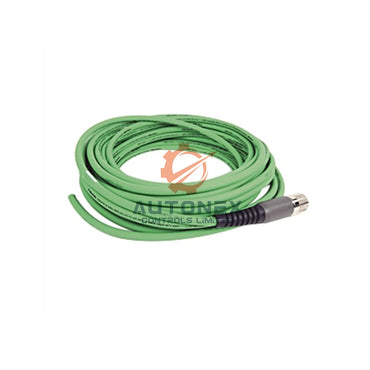
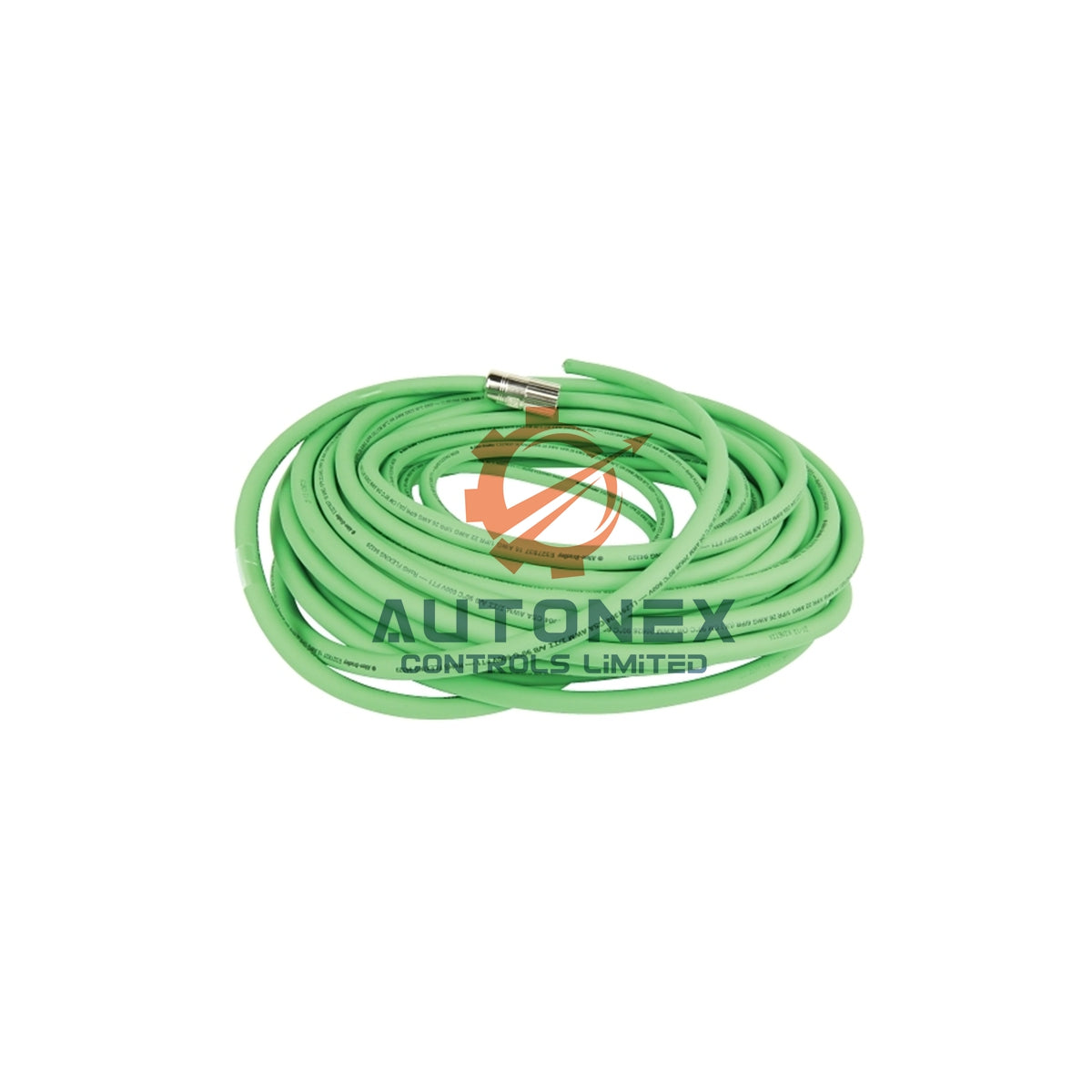
This synchronization link relies on 62.5/125 micron multi-mode fiber cables. It supports distances up to 100 meters without repeaters, which suits most control rooms and local equipment zones. The optical power budget stays above -15 dBm to preserve signal integrity. Moreover, the bit error rate sits below 10-12, guaranteeing zero data loss during redundancy transitions. From a field perspective, keeping fiber connectors clean and ensuring bend radius compliance prevents many intermittent failures.

3. Configuration Steps for Optimal Redundancy Performance
Engineers begin by enabling redundancy within the controller properties in Studio 5000. Each 1756-RM2 module then receives a unique chassis identifier—either 1 or 2—to establish correct pairing. A dedicated Ethernet/IP address for the redundancy group separates synchronization traffic from standard I/O networks. Setting the “Redundancy Enable” tag to 1 prioritizes data alignment. Additionally, the system limits connections per redundant pair to 250, which preserves bandwidth for critical operations.
4. Switchover Dynamics: Achieving Bump-less Transfer in Milliseconds
Switchover time represents the interval from primary failure to secondary takeover. With the 1756-RM2, this process typically finishes in under 50 milliseconds. Outputs remain in their last state for only 20 milliseconds during arbitration. The module continuously monitors health through heartbeats transmitted every 5 milliseconds. As a result, bump-less transfers occur smoothly, with the newly active controller maintaining coordinated output states.
5. Data Synchronization and Capacity Management
The synchronization link handles up to 1000 tags or 8 MB of controller data. Incremental changes transfer immediately, while full data sets synchronize within one scan cycle. This system uses a producer-consumer model that transmits data at a maximum rate of 10 Mbps. Memory utilization on the secondary controller stays within 95% of the primary, ensuring exact mirroring. Consequently, operational consistency remains intact across both chassis.
6. Network Integration: IP Configuration Best Practices
Separate control networks are mandatory for redundancy communication and standard I/O traffic. The 1756-RM2 uses a dedicated Gigabit Ethernet port exclusively for synchronization. IP addresses for redundancy modules must reside on a distinct subnet, such as 192.168.1.x. Furthermore, engineers should limit EN2T modules to four per chassis for I/O connectivity. This segregation prevents network congestion and keeps latency below 2 milliseconds.
7. Environmental Durability and System Reliability Metrics
The 1756-RM2 operates reliably across a temperature range of 0 to 60 degrees Celsius. It also tolerates 5% to 95% non-condensing humidity, making it suitable for harsh factory floors. Mean Time Between Failures (MTBF) exceeds 500,000 hours, reflecting robust design. Compliance with IEC 61000-6-2 ensures industrial immunity standards are met. Therefore, long-term reliability is assured even in demanding manufacturing environments.
8. Troubleshooting Synchronization Failures: Practical Field Insights
Synchronization failures often stem from mismatched firmware revisions between modules. Firmware must match exactly, with version 20.011 or later recommended for stable operation. Another frequent culprit is fiber cable attenuation exceeding 3 dB, which causes intermittent link loss. Status indicators show solid green when synchronized and flash amber during qualification. Proactive monitoring via redundancy status tags helps engineers catch issues before they escalate.

9. Firmware Compatibility and Version Control
Compatibility is strictly enforced across ControlLogix firmware revisions 16 through 32. The 1756-RM2 requires at least version 16.50 to enable full redundancy services. Cross-loading firmware automatically synchronizes the secondary chassis without manual intervention. A compatibility check runs every 250 milliseconds to verify consistent operation. Maintaining aligned firmware is therefore critical for seamless system behavior.
10. Scalability: Expanding Redundant Architectures for Growing Plants
Expanding a redundant system involves adding remote I/O racks via Ethernet/IP. Each rack can be located up to 2000 meters from the main chassis using fiber converters. The redundancy pair supports up to eight remote I/O networks concurrently. Moreover, the system handles up to 128,000 digital I/O points and 4,000 analog channels. This scalability ensures the architecture can evolve with plant expansion requirements.
11. Diagnostics and Real-Time Health Monitoring
Real-time diagnostics are accessible through GSV instructions within the controller logic. Key metrics include synchronization status, switchover count, and chassis role. The module logs over 500 system events with precise timestamps for auditing purposes. An embedded diagnostic web server provides live link statistics. Engineers can thus address potential failures proactively, avoiding unplanned downtime.
12. Return on Investment: Downtime Reduction and Cost Benefits
Implementing 1756-RM2 redundancy reduces unplanned downtime by an average of 98%. Typical payback periods for critical processes fall below 12 months. Although initial hardware costs exist, they are offset by a 30% reduction in maintenance labor expenses. Increased uptime yields roughly 40 additional production hours annually. Consequently, the investment delivers significant operational resilience and financial justification.
Author’s Perspective: Why Redundancy Strategy Matters More Than Ever
In today’s connected factories, even brief outages cascade into supply chain disruptions. The 1756-RM2 offers more than just failover—it provides deterministic switchover that preserves data integrity. From my work with system integrators, I have seen that proper fiber routing, firmware alignment, and network segregation make the difference between a robust redundant system and one plagued with qualification failures. Investing time upfront in validation pays dividends in uptime.
Application Scenario: High-Availability Chemical Batch Processing
A specialty chemical manufacturer implemented a 1756-RM2 redundant system to safeguard critical batch recipes. The primary chassis handled recipe execution while the secondary chassis remained synchronized. When a power supply failure struck the primary rack, the system switched over in under 50 milliseconds—operators noticed no interruption. The client avoided $200,000 in potential lost product and achieved 99.99% availability for their reactor line.
Frequently Asked Questions (FAQ)
1. What is the maximum distance allowed between two 1756-RM2 modules using fiber?
The modules support up to 100 meters with 62.5/125 micron multi-mode fiber without repeaters. For longer distances, engineers can use fiber repeaters or convert to single-mode fiber with appropriate media converters.
2. Can I mix different firmware versions between primary and secondary 1756-RM2 modules?
No, firmware versions must match exactly. Mismatched firmware is one of the most common synchronization failure causes. Rockwell Automation requires identical revision levels for proper redundancy operation.
3. How does the 1756-RM2 handle data synchronization during normal operation?
It uses a producer-consumer model where incremental tag changes transfer immediately. Full data sets synchronize within one scan cycle, ensuring the secondary controller mirrors the primary with minimal latency.
4. What are the critical network segregation rules for redundancy systems?
Engineers must place redundancy communication on a separate physical network and distinct IP subnet from standard I/O. This prevents congestion and maintains deterministic synchronization. Typically a 192.168.x.x subnet is used exclusively for the redundant link.
5. Does the 1756-RM2 support bump-less transfer during switchover?
Yes, the system achieves bump-less transfer by coordinating output states between controllers. Outputs hold their last state for only 20 milliseconds during arbitration, and the newly active controller takes over with synchronized data.
Contact Information
For inquiries about redundant control systems and industrial automation solutions:
Email: sales@nex-auto.com
WhatsApp: +86 153 9242 9628
Partner: NexAuto Technology Limited
Check below popular items for more information in AutoNex Controls

